
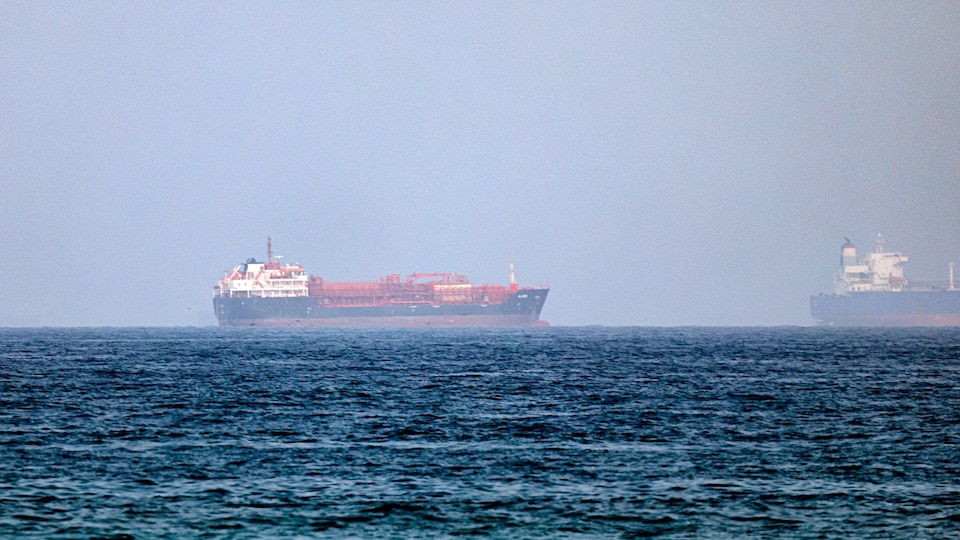
Global oil prices on Thursday crossed $100 a barrel after Houthi militants in Yemen said they struck two Saudi tankers in the Red Sea, sending crude futures sharply higher.
Brent crude rose more than 6% on Thursday following several days of increases as the U.S. stepped up military strikes against Iran.
Energy costs have pushed UK petrol prices up about 5 pence a litre since the start of July to almost £1.56 and diesel to about £1.72 a litre, according to the RAC, and the benchmark UK gas price is around 150 pence per therm, up from about 98p at the end of June. Average gasoline prices in the U.S. have surpassed $4 a gallon once more, up from $3.92 a month ago, according to AAA.
Economists warned that higher energy prices could push up inflation, with Jonathan Raymond, an investment manager at Quilter Cheviot, saying, "More expensive fuel and energy can ripple through the wider economy, increasing costs for businesses and ultimately feeding through into the price of food and other goods." Kevin Warsh, the newly appointed chair of the U.S. Federal Reserve, told Congress last week the central bank had "no tolerance to persistently elevated inflation," and the Fed held U.S. interest rates between 3.5% and 3.75% at Warsh's first meeting last month.