
President Donald Trump imposed 50% tariffs on a range of Canadian imports that are set to take effect Aug. 19.
The levies target goods ranging from hockey equipment and commercial cement to alcoholic beverages, milk, electronics, plywood, cowhides, flower bulbs, honey and down feathers, officials said.
Mr. Trump signed three proclamations Monday that target motor vehicles, alcohol and dairy, and senior administration officials said the tariffs were issued under Section 338 of the Tariff Act of 1930.
The White House said the tariffs were necessary to protect American businesses, and U.S. Trade Representative Jamieson Greer said Canada had taken "unreasonable, unequal, and discriminatory actions" by imposing tariffs or import restrictions on certain American goods.
The proclamations apply to covered goods regardless of whether the products are included under the U.S.-Mexico-Canada Agreement, officials said.
The proclamations spare several key Canadian exports, including energy, potash, critical minerals and fish.
The U.S. already maintained tariffs ranging from 15% to 50% on Canadian steel, aluminum and copper, a 35% tariff on softwood lumber and a 25% tax on non-U.S. parts in cars, while Canada has a 25% counter-tariff on selected U.S. steel, aluminum and vehicles.
Candace Laing, president and CEO of the Canadian Chamber of Commerce, called the new tariffs a "regrettable escalation" and urged both countries to use the 30 days before they go into effect to "make meaningful progress in advancing formal talks."
Chris Swonger, CEO and president of the Distilled Spirits Council of the United States, said the 50% tariff "deepens trade tensions and raises the risk of further retaliation at a time when many U.S. hospitality businesses continue to face financial hardships," and said the industry had hoped the issue could be resolved without further escalation.
In February the U.S. Supreme Court struck down sweeping international tariffs Mr. Trump had imposed under the International Emergency Economic Powers Act of 1977, ruling he exceeded his authority, and officials said Monday's duties were introduced under Section 338, which covers trade discrimination rather than national emergencies; legal researchers have noted the provision has gone unused for decades.
A senior administration official said the levies "are not the so-called wildfire tariffs," that the administration was not entering a trade war and that it remained open to negotiations.
Officials said the duties cover roughly $20 billion in annual Canadian imports.
Administration officials said Canada is one of only two countries, alongside China, to retaliate against Mr. Trump's earlier tariffs and pointed to provinces that pulled U.S. liquor from store shelves; officials also cited auto policies they say favor Canadian production and dairy rules they argue give European cheese an advantage over American imports.
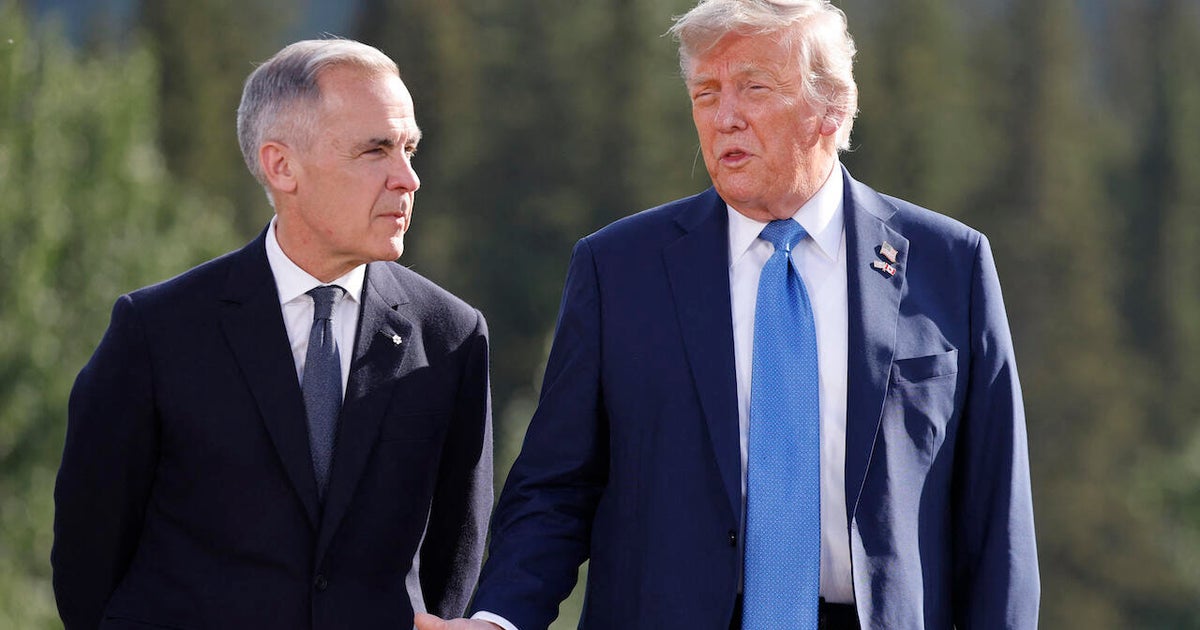
Mr. Trump said in a Truth Social post last week that costs related to wildfire smoke must be added to the tariffs, and Mr. Trump told reporters he and Canadian Prime Minister Mark Carney, who were seen together at the World Cup final in East Rutherford, N.J., talked about potential action in response to the wildfires while noting their "good relationship."
Mr. Carney called the tariffs "in direct violation" of the USMCA and pledged to intensify negotiations in the coming weeks.
The move followed the administration's decision not to extend the U.S.-Mexico-Canada Agreement, leaving the pact in limbo, and officials noted the administration's temporary 10% global tariffs under Section 122 of the Trade Act, an authority that expires later this week.