
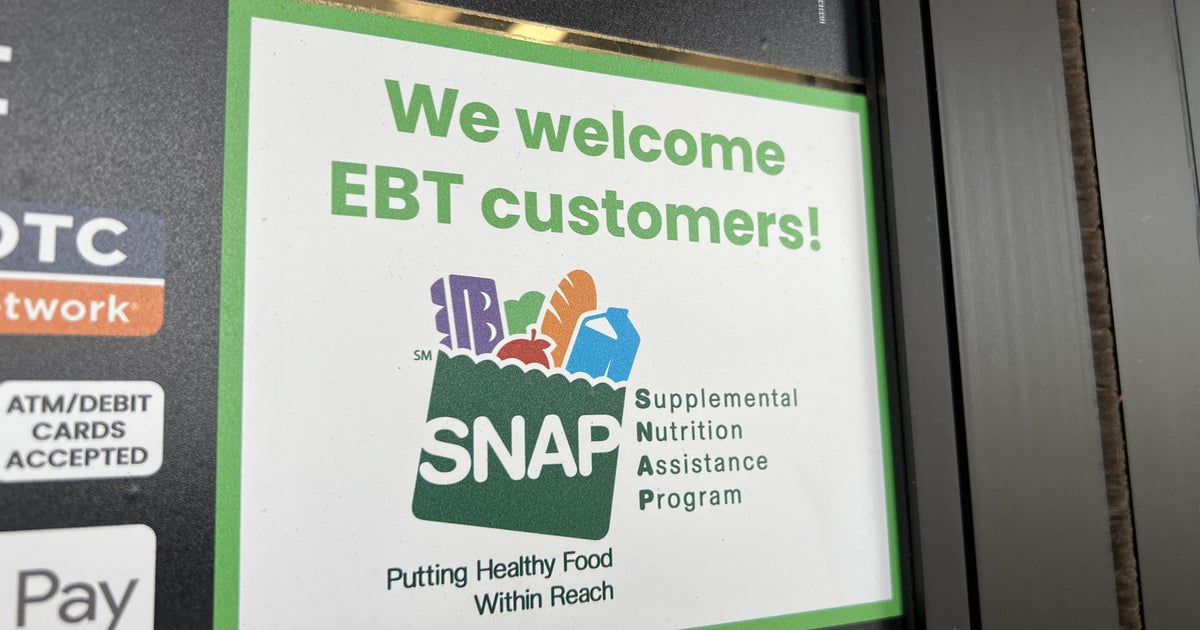
A federal judge on Monday blocked the Agriculture Department's effort to let states bar SNAP recipients from buying soft drinks and candy, ruling the agency lacked authority to approve the restrictions.
Judge Amy Berman Jackson wrote, "Congress defined what 'food' is supposed to be, and it did not authorize the agency to amend or waive the definition it enacted. It did not authorize the agency to cut types of food out of SNAP entirely."
SNAP recipients in five states — Colorado, Iowa, Nebraska, Tennessee and West Virginia — sued the agency in March, alleging the move would "destabilize food access" for people on food stamps and arguing the ban makes it difficult for people with chronic illnesses to access food or drinks needed to maintain their health, including items used to manage blood sugar.
A USDA spokesperson said in a statement to CBS News that the department defended the effort and would continue pursuing the "Make America Healthy Again" initiative, saying, "The idea that taxpayer funds should not be used to purchase junk food should not be controversial. We will not be backing down from the fight to Make America Healthy Again, including for families and communities reliant on SNAP."
So far the Agriculture Department has permitted 23 states to implement restrictions through waivers that allowed them to block SNAP recipients from buying certain food and beverages normally allowed under federal law, and the ruling, while applying only to the five states where the plaintiffs live, could have implications for the remaining 18 states with similar bans, the Food Research & Action Center said.
Gina Plata-Nino, SNAP director for the Food Research & Action Center, wrote in a Tuesday blog post, "Other approved SNAP restriction demonstrations relied on the same USDA process, the same statutory authority and many of the same legal and procedural assumptions the court rejected."
The Food and Nutrition Act, which governs SNAP, allows food stamps to be used for "any food or food product intended for human consumption," except for alcohol and ready-to-eat hot foods, and the law also bars SNAP recipients from using benefits to buy tobacco.
The National Center for Law and Economic Justice represented the plaintiffs and argued that different state-by-state definitions led to confusion for retailers and SNAP recipients; "This decision makes clear that the USDA cannot bypass the legal guardrails that establish how SNAP must operate across the country," Katie Deabler, senior attorney at the group, said in a statement.
The ruling was described as a setback for the "Make America Healthy Again" campaign championed by Health Secretary Robert F. Kennedy Jr. and Agriculture Secretary Brooke Rollins, and Kennedy said in a December statement, "We cannot continue a system that forces taxpayers to fund programs that make people sick and then pay a second time to treat the illnesses those very programs help create."