
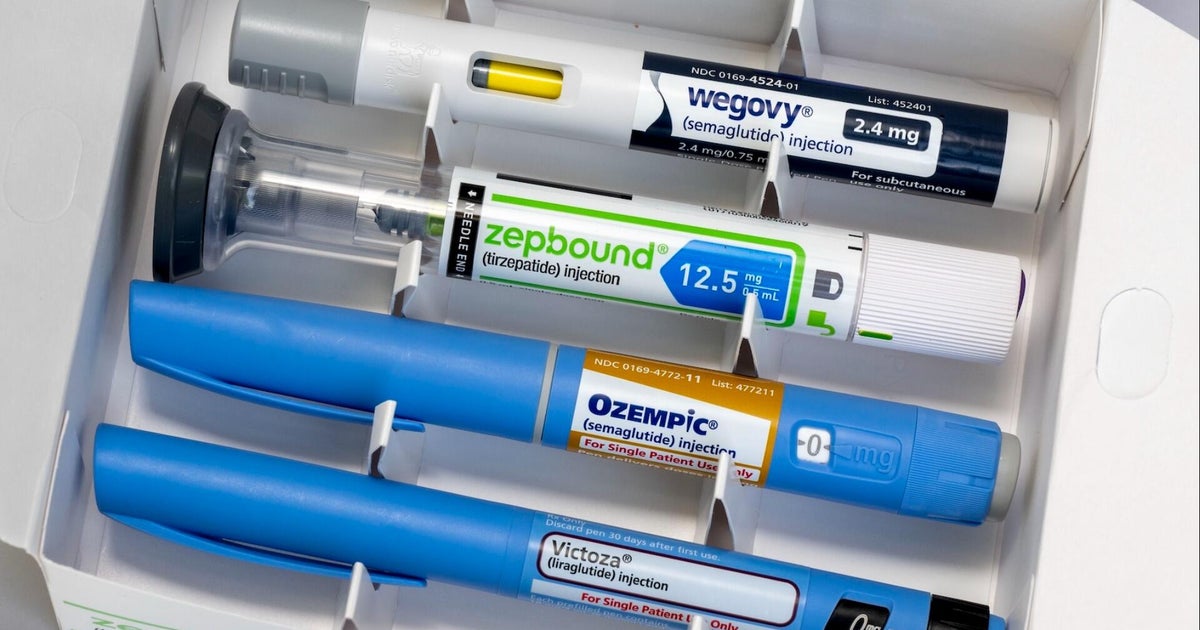
Novo Nordisk sued Eli Lilly on July 21, 2026, in U.S. District Court in New Jersey, alleging the drugmaker engaged in false advertising.
The lawsuit accuses Eli Lilly of using outdated clinical trial data to make Zepbound and Mounjaro appear more effective than Novo Nordisk's Wegovy and Ozempic for weight loss and Type 2 diabetes treatment.
"In both cases, the ads are maliciously and deceptively false because Lilly knowingly cites outdated clinical trials that compare the highest doses of the Lilly medicines to lower doses of Novo Nordisk's medicines," the lawsuit said.
Novo Nordisk said the Food and Drug Administration has approved newer, more effective doses of its medicines that help customers achieve greater weight loss and blood sugar regulation, and the lawsuit said Lilly did not base the claims in its ads on that more recent dosage information.
"It is truthful, it is transparent, and it is grounded in the most direct scientific evidence available — exactly what patients deserve," Eli Lilly said. "We will continue to focus on the science and defend against this lawsuit vigorously."
The lawsuit said Lilly acknowledges the existence of a higher Wegovy dose in small footnotes in its ads but that those acknowledgments are "ambiguous" and "virtually invisible."
Novo Nordisk's complaint challenges national ad campaigns that compare GLP-1 drugs and also accuses Eli Lilly of unfair competition, the filing said.
The lawsuit comes as the two companies compete for dominance in the growing market for weight loss drugs; a June Gallup study found 15% of U.S. adults reported they had used a GLP-1 medicine for weight loss at some point, up from 12% last year.