
A federal appeals court denied Joe Biden's bid to stop the Justice Department from giving the Heritage Foundation redacted transcripts and audio of conversations with his biographer, and stayed the order until Aug. 3.
A three-judge panel of the U.S. Court of Appeals for the District of Columbia Circuit issued the 2-1 decision; the majority said, "We conclude that Biden has not shown a likelihood that the requested materials must be withheld from disclosure."
On July 10 a three-judge panel from the same court issued an administrative injunction stopping the release of the material to the organization for 10 days, and the court said in a brief unsigned order the injunction was to expire at 11:59 p.m. on July 20 to "give the court sufficient opportunity to consider the emergency motion for an injunction pending appeal and should not be construed in any way as a ruling on the merits of that motion."
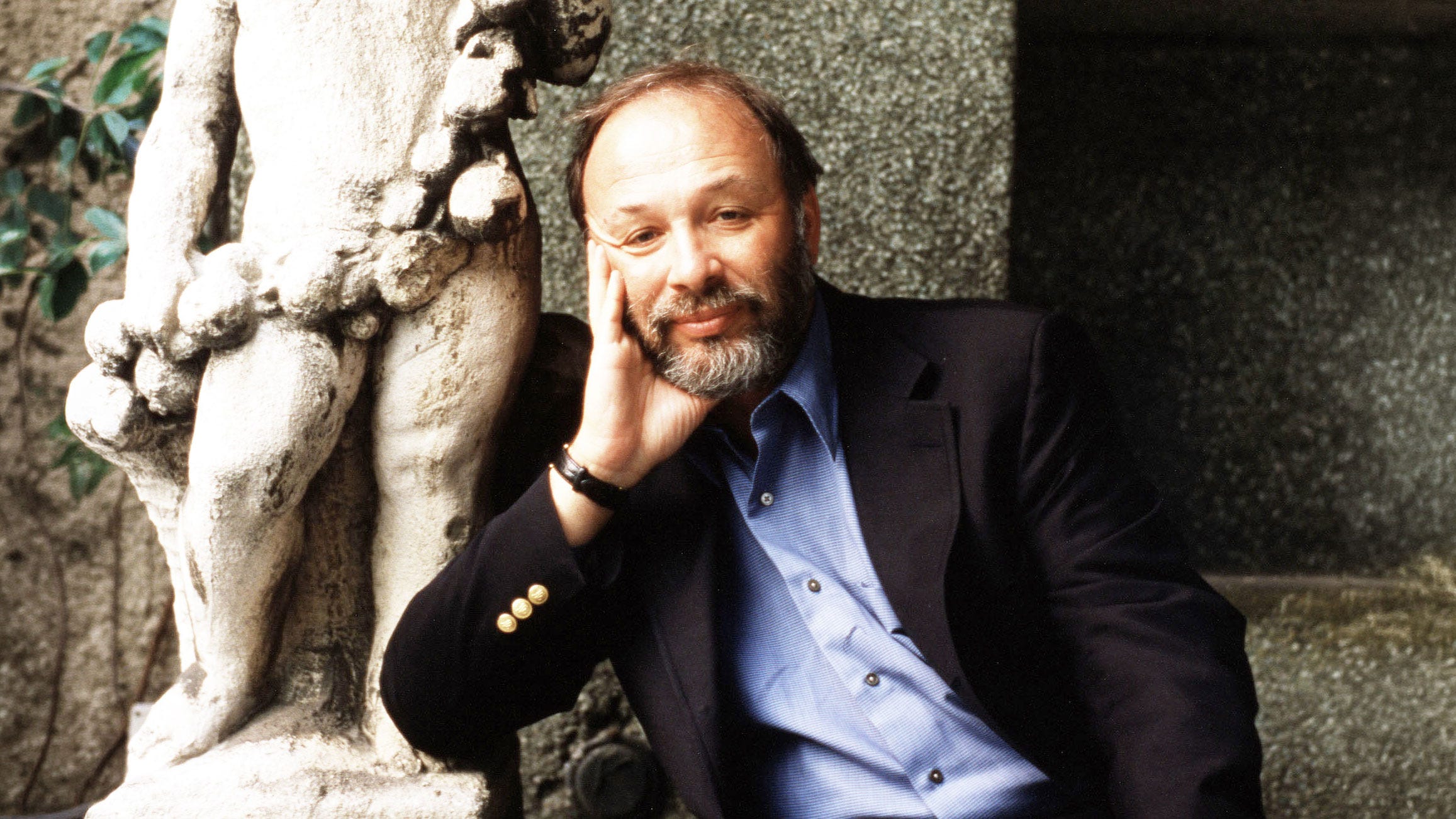
The recordings at issue date to 2016 and 2017 when Biden sat down with his biographer, Mark Zwonitzer, for his memoir, "Promise Me, Dad."
The recordings gained interest from the Heritage Foundation following an investigation by former special counsel Robert Hur into Biden's handling of sensitive government records after his vice presidency ended in 2017; Hur's report, released in 2024, included passages referencing those conversations and the special counsel wrote the recordings showed the former president's "diminished faculties and faulty memory," and said his conversations with Zwonitzer were "painfully slow, with Mr. Biden struggling to remember events and straining at times to read and relay his own notebook entries."
The Justice Department initially withheld the audio tapes and most of the written transcripts, citing Freedom of Information Act exemptions, but once President Trump returned to the White House the department said it intended to provide the material to Congress and the Heritage Foundation.
Biden moved to intervene in a lawsuit the Heritage Foundation filed in 2024 to force the release; last month a federal judge initially rejected his request to block the disclosure before Judge Dabney Friedrich agreed to stop the Trump administration from releasing the information for three weeks, and that order was set to expire at 5 p.m. Friday.
Biden's lawyers said in a filing that disseminating the discussions would be harmful and likened their disclosure to the public release of diary entries or private text messages, writing, "The private conversations at issue were never intended to be shared with a wider audience, and the Department has them only because it collected the recordings as part of a criminal investigation that resulted in no charges." They added, "This FOIA action has been pending for nearly two and a half years, and there is no meaningful public interest — let alone one that must be satisfied in the immediate days or weeks — in the disclosure of decade-old conversations of a former President who is now a private citizen, and who neither holds nor is seeking public office."
Department lawyers said releasing the material serves the public interest and wrote, "Releasing the materials will allow the public to assess the persuasiveness of Hur's determinations."
"Promise Me, America" is expected to be published late this year.