
Qatar, Egypt, Pakistan and other mediators have presented the U.S. and Iran with a proposal for a 10-day ceasefire to reopen the Strait of Hormuz, two regional sources said.
U.S. and Israeli officials envision two viable endgames: pursue the proposed 10-day ceasefire or launch a massive joint military campaign with Israel to force Tehran's capitulation.
The Trump administration is exploring the proposal and has urged Israel to avoid steps that could close the diplomatic window, U.S. officials said, even as the U.S. military has sent dozens of fighter jets and refueling aircraft to the region.
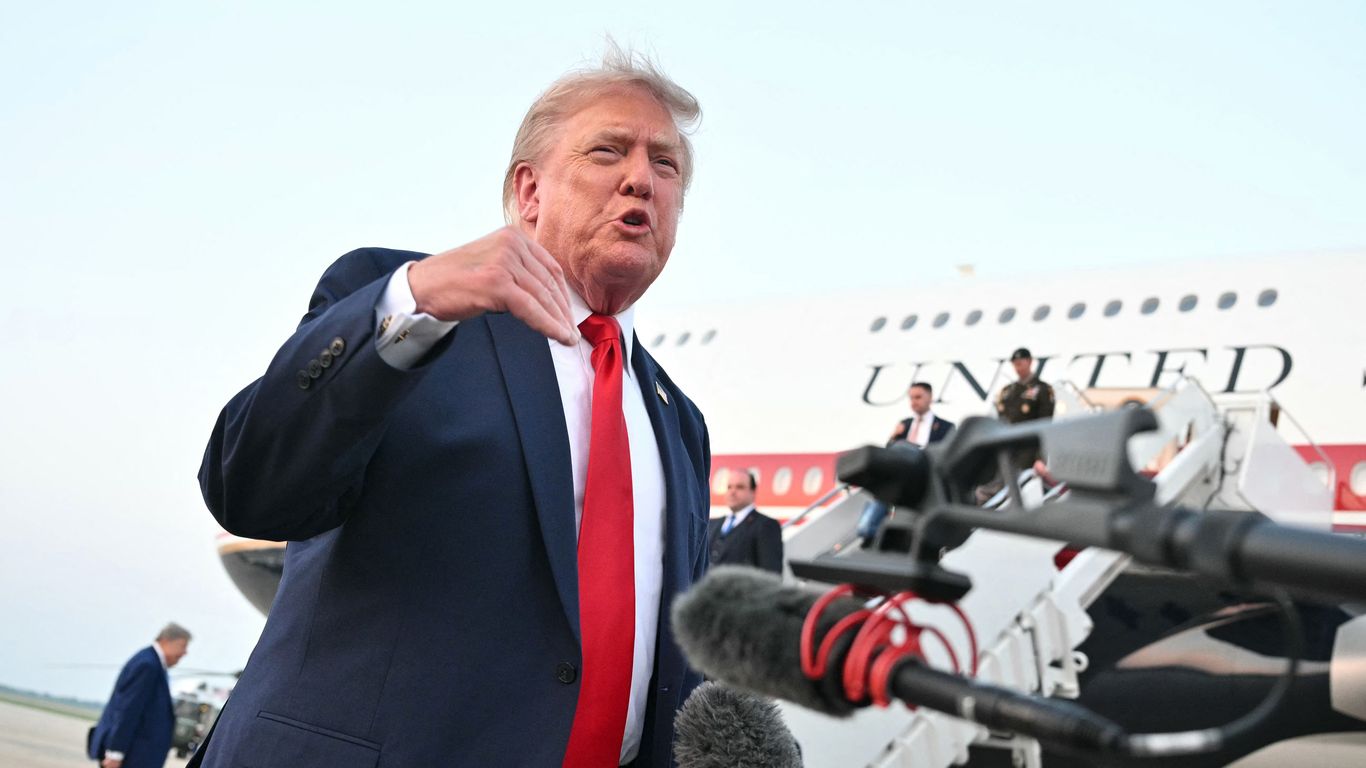
At least three U.S. service members have been killed in the renewed fighting, and Trump said Monday he had ordered the Pentagon to make Iran pay "many times over" for every American death.
Iranian Foreign Ministry spokesperson Esmail Baghaei confirmed Monday that mediators were working to prevent further escalation. "The proposals conveyed through the mediators have been received by us, but at this stage I prefer not to discuss their details," Baghaei said. He added that Iran's armed forces would continue to "respond with strength and crush the source of U.S. aggression."
Mediators said they were trying to build on a proposal discussed by Oman, Iran and Qatar in Muscat on July 11, when the U.S. demanded Tehran publicly commit to keeping the Strait of Hormuz open; those talks ended without an agreement, and Iran attacked commercial ships in the strait shortly afterward, triggering a U.S. bombing campaign that has continued every night since.
The ceasefire proposal would fully reopen both Hormuz shipping lanes — the southern route through Omani waters free of Iranian attacks and the northern route through Iranian waters free of the U.S. blockade — and would give Washington and Tehran time to negotiate a longer-term arrangement that could allow Iran to collect "reasonable service fees" or direct fees into a joint fund administered with the involvement of the International Maritime Organization.
In the meantime the Iran-backed Houthis in Yemen have declared a maritime blockade on Saudi ports, and Israeli Prime Minister Benjamin Netanyahu has warned Israel will answer any Iranian attack with massive strikes. A senior U.S. official said, "The president is focused on making Iran pay for its violations of the MOU and its continued acts of terrorism in the Strait of Hormuz." "In addition, the president will make Iran pay for the recent deaths of U.S. soldiers. These devastating blows will continue until the president deems otherwise," the official added, while oil briefly broke $90 a barrel and gas prices rose as Iran widened strikes on commercial ships and Gulf infrastructure.