
Oil prices rose above $90 per barrel Sunday in the first major trading since the deaths of three U.S. service members and escalating Middle East hostilities.
Brent crude's move above $90 was the first since mid-June, and analysts warned that shock absorbers that had limited earlier price spikes — including reduced Chinese imports, coordinated releases from stockpiles such as the U.S. Strategic Petroleum Reserve, and ample commercial stockpiles — are eroding.
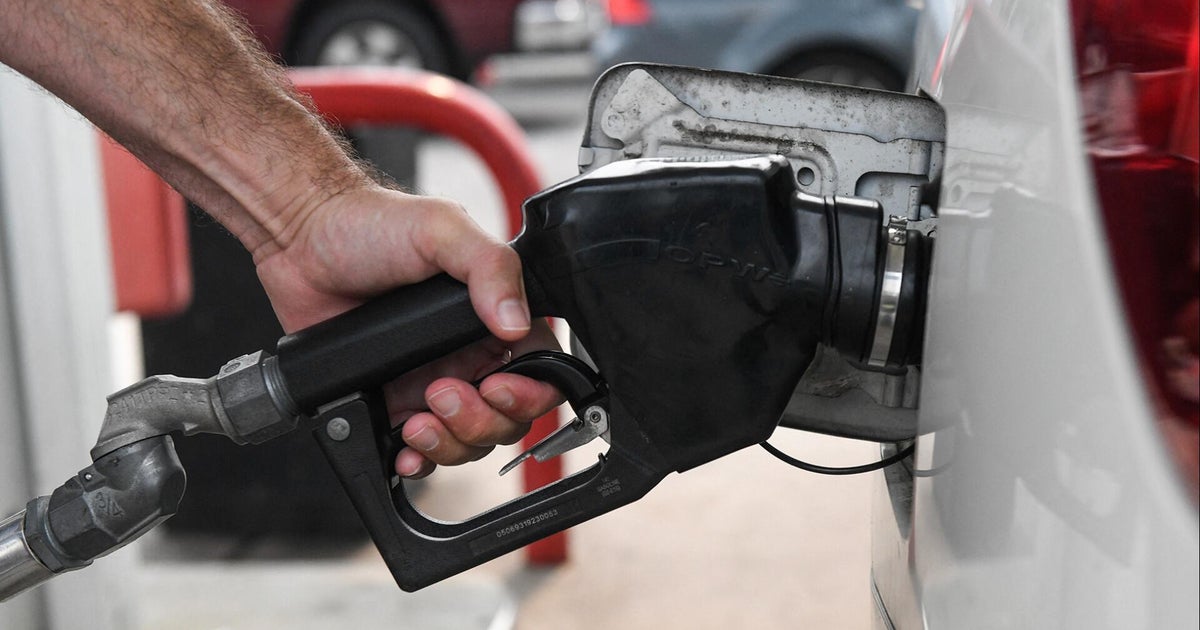
The nationwide average U.S. gasoline price was just below the politically important $4-per-gallon mark Sunday, per AAA, and is likely to rise above that level Monday.
The weekend brought further signs that the U.S.-Iran agreement and ceasefire had given way to renewed and expanding strikes, including reported Iranian attacks on oil and electricity infrastructure in Kuwait.
Iran's Supreme Leader Mojtaba Khamenei on Saturday accused President Trump of violating the U.S.-Iran agreement and pledged a strong response by Iran and its proxies if the fighting continues to escalate; President Trump told NewsNation that he "couldn't care less" about the Iranian leader's comments.
The market for refined products faced particular woes, including Ukraine's drone attacks on Russian refineries, which prompted Russia to ban diesel exports.
Ship traffic in the Strait of Hormuz has dried up, further disrupting a key oil shipping route.
The national average price for regular gasoline hit $4 per gallon again Monday, the first time the national average has been at $4 or higher since June 17, after having fallen as low as $3.79 on July 7 and 8.
On Friday, U.S. crude oil settled at $82.49 and international Brent crude oil closed at $88.10; both posted their second straight weekly gain and rose more than 15% last week and more than 20% over the last two weeks. Since the start of the year, U.S. crude and Brent have risen about 45%.
Oil prices began rising after the U.S. revoked a sanctions waiver on Iranian oil on July 7, and one day later President Donald Trump announced that the ceasefire with Iran was "over." Days later, Trump announced he was "reinstating the Iranian blockade" in the Strait of Hormuz, which the U.S. military described as applying "against vessels transiting to or from Iranian ports and coastal areas." Trump also proposed seeking reimbursement at the rate of 20% on all cargo shipped, an idea shipping companies and international maritime organizations rejected as a violation of international law; he later said he would drop the fee, but oil continued rising on near-daily U.S. strikes against Iran as well as Iranian retaliation.
The struggle over control of the Strait of Hormuz is central to the disruption: about 20% of the world’s energy supplies typically transit the waterway. Ship crossings in the strait dropped to a three-week low, with just eight ships crossing on Thursday compared with a pre-war average of 130 ships per day.
HSBC analysts said Russia, the world's second-largest exporter of diesel after the U.S., banned exports of key refined products on July 8 until the end of July as a growing share of Russian refining capacity has been knocked out amid escalating attacks on its energy infrastructure by Ukraine. That reduction in supplies has pushed Russia to look to import diesel and helped send jet fuel prices nearly 43% higher to $3.57 per gallon as of Friday from a pre-war average of $2.50 per gallon, according to industry data.
Majorities of Americans in multiple polls had blamed President Trump to some extent for the pump shock, and the national average for regular gasoline is up 86 cents year-over-year; the rise in gas prices has caused "financial hardship" for two-thirds of households surveyed.
President Trump weighed expanding U.S. military strikes on Iran in a Tuesday Situation Room meeting where advisers discussed a massive offensive wider in scope than the current bombardments.
U.S. Central Command said recent strikes were in response to Iran's attacks on commercial shipping and were aimed at further degrading Tehran's military capabilities.
Countries and companies are scrambling for ways to bypass the Strait of Hormuz as the waterway's disruption ensnares global markets.
Lloyd's List Intelligence recorded just 53 vessel transits through the Strait of Hormuz in the week through July 20, down 66% from 157 the previous week, and tanker and gas carrier movements fell to 30 crossings from 90, reflecting a sharp drop in ships that carry most Gulf crude and liquefied natural gas.
Kpler data showed daily crossings fell from an average of more than 20 before July 15 to 16 on July 15 and then to single digits on July 16, with traffic remaining subdued through the rest of the week; S&P Global reported just 40 vessels transited the strait between July 17 and July 19, averaging roughly 13 crossings a day, and weekly traffic through July 19 fell almost 50% from the previous week.
Commercial ships still accounted for more than 70% of traffic over the recent period, although only about one-third were assessed as compliant with maritime restrictions, and Iran-linked and sanctioned vessels continued to dominate many movements, suggesting mainstream international shipowners remain reluctant to return.
"Things have slowed down significantly since tensions reignited," said Bridget Diakun, senior risk and compliance analyst at Lloyd's List Intelligence. "Every single person has a different risk appetite. We're still seeing tankers crossing in and out, it hasn't ground to a complete halt," she said, adding movements are likely to come "in ebbs and flows."
Saul Kavonic, head of energy research at MST Marquee, said the escalation and the reimposed blockade had set the conflict back on an escalatory trajectory and that flows through Hormuz had dropped to around 15% of pre-war levels; he said oil could retest $100 a barrel if the current intensity of fighting persists for several weeks or if regional energy infrastructure comes under attack.
AAA said the U.S. average for a gallon of regular gasoline rose to $4 again, an increase of 13 cents in one week as fighting with Iran has ramped up.