
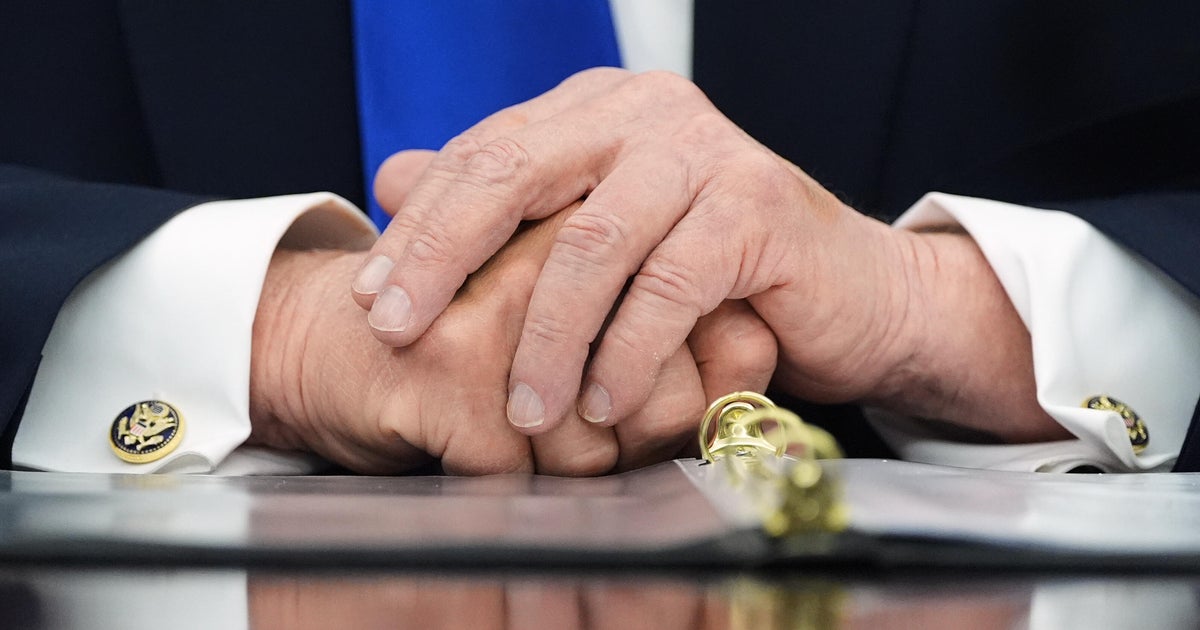
A bipartisan measure known as the 21st Century ROAD to Housing Act automatically became law at 12 a.m. on Saturday after President Donald Trump declined to sign the bill and did not veto it.
"I will not sign the Housing Bill, which has been fully approved by Congress and sent to the White House, in PROTEST over the fact that the United States Senate is not capable of passing THE SAVE AMERICA ACT," Trump posted Friday morning on his social media platform, Truth Social.
House Speaker Mike Johnson delivered the housing bill to the White House on June 29, starting the 10-day clock.
The law contains more than 45 provisions, including a restriction that would prohibit large institutional investors from owning more than 350 single-family homes, a measure the president made a condition for his support. Other provisions aim to speed construction and cut costs by allowing developers to skip environmental review for houses built between two previously reviewed buildings, easing rules for manufactured homes by removing a permanent chassis requirement that housing policy experts said could save $5,000 to $10,000 per home, and redirecting existing federal housing funds toward communities that build more housing.
The measure also launches a pilot program to aid local governments in converting vacant commercial buildings into affordable housing, unlocks more federal funding for construction of factory-built homes, creates an innovation fund for communities that are increasing their housing supply and supports housing opportunities for veterans.
The Senate voted 85-5 on passage of the housing measure on June 22 before the House approved the bill by a vote of 358-32 on June 23; both totals represent sufficient support to overcome a potential presidential veto with a two-thirds majority in both chambers.
Massachusetts Sen. Elizabeth Warren, the chief proponent of the legislation in the Senate, criticized the president. "At the stroke of midnight, a huge bipartisan bill to lower housing costs became law without the President's signature. Why did President Trump sit on the landmark housing bill for more than 2 weeks? Maybe because there was nothing in it for him personally — no gold-encrusted ballroom, no Qatari jet, no $2 billion crypto deal. Nothing in the 21st Century ROAD to Housing except ways to make housing more affordable," she said in a statement. The decision also put Republican allies in Congress in a difficult position, depriving them of an opportunity to tout their work, and Senate GOP leaders have said the separate elections bill the president demanded does not have enough support to pass.
Johnson, who sent the bill to the president late last month, said the president "has a lot going on and I think it's safe to say he's not read through every line of that piece of legislation." He said he had encouraged the president to sign it "with the fattest black marker you have," and added, "So I hope he does sign it. If he doesn't, it's still law; we'll still celebrate it."