
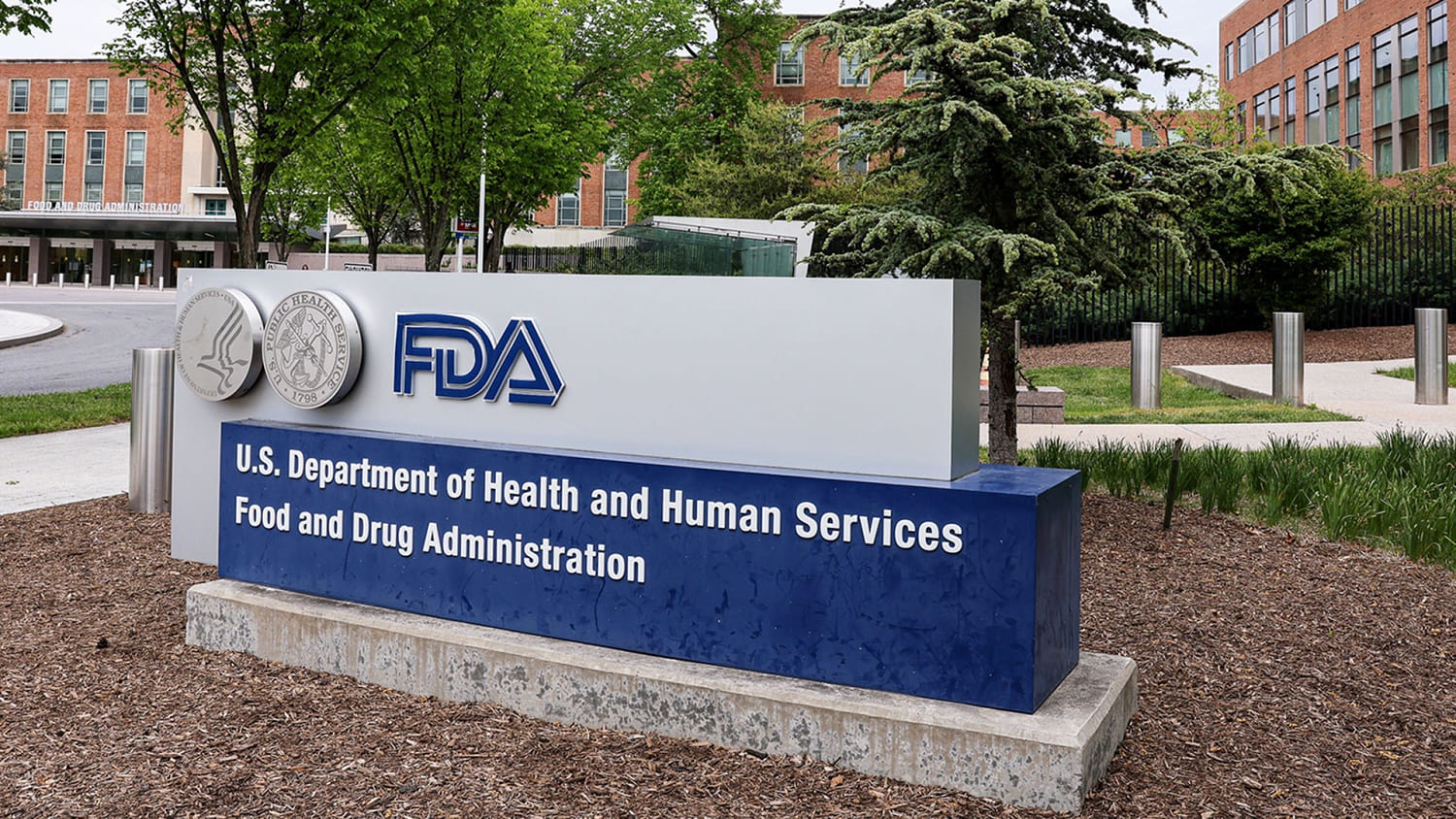
The Pharmacy Compounding Advisory Committee voted Thursday to add the peptide BPC-157 to a drug compounding list. The vote was eight to six with one abstention, and the decision is nonbinding and still needs sign-off from the Food and Drug Administration.
The committee also voted Thursday in favor of allowing compounding pharmacies to make three other peptides: KPV, TB-500 and MOTS-c. For BPC-157, KPV and TB-500, all eight members appointed under Health Secretary Robert F. Kennedy Jr. voted yes while six other members voted no and one person abstained. For MOTS-c, seven of the new appointees voted yes, five people voted no and two people, including one of the new appointees, abstained.
FDA staff scientists repeatedly told the panel there is a major lack of evidence and safety data for the peptides and raised a separate concern that there is no universally accepted chemical identity for some of the compounds. "We’ve never faced a problem of, 'What is it?'" Russell Wesdyk, an FDA official, said.
Agency scientists reviewed the peptides for specific proposed uses: BPC-157 for ulcerative colitis, KPV for wound healing and inflammatory conditions, TB-500 for wound healing, and MOTS-c for obesity and osteoporosis.
The committee’s recommendations do not make the peptides FDA-approved drugs; they instead recommend adding the substances to a compounding list. The final decision will come from the FDA in the form of a rule proposal.
Eight panel members were appointed under Kennedy, and six of those appointees run clinics that offer peptides, a fact that has drawn scrutiny. One committee member, Tennessee state Sen. Bobby Harshbarger, is the son of Rep. Diana Harshbarger, who last year wrote to Kennedy asking that compounders be allowed to make certain peptides.
Proponents on the panel said allowing compounding could move people away from a gray market and toward products handled by physicians and pharmacists. "As a physician, I have to make sure that I’m keeping patients as safe as possible," Dr. Haleem Mohammed said, explaining a yes vote. Opponents cited the limited human clinical data, the predominance of animal studies and the risk that FDA sign-off could be misread as an endorsement; Dr. Brian Lee noted placebo response rates in arguing against approval.
The panel is reviewing seven unapproved peptides in total and will continue deliberations Friday on three remaining compounds: emideltide, epitalon and semax.