
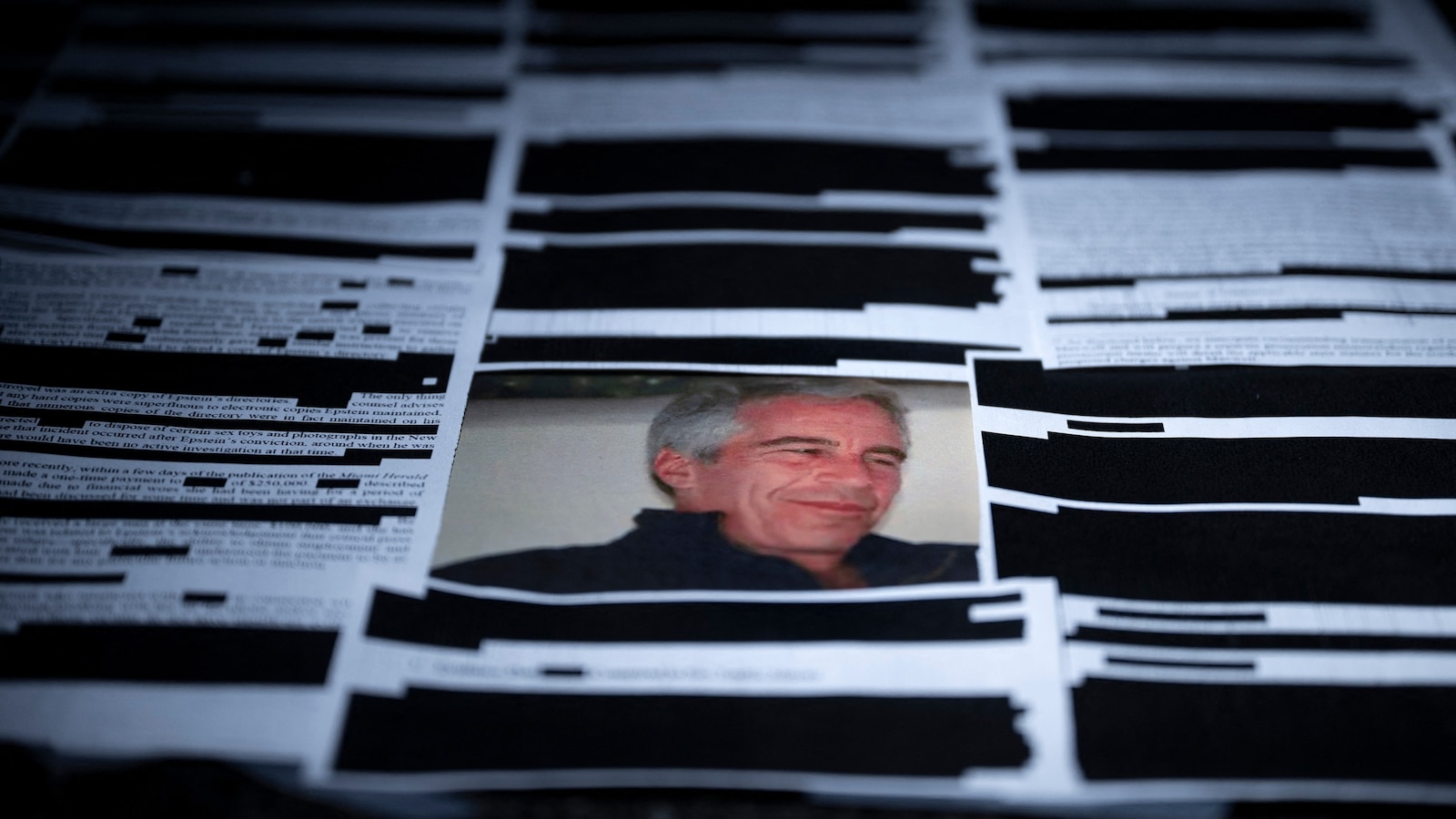
U.S. District Judge Emmet Sullivan last week ordered the Department of Justice to release additional unredacted records related to Jeffrey Epstein or explain by July 2 why it could not, and the DOJ on Thursday declined to turn over the materials as ordered and asked the court for a 60-day delay or to accept the department's explanations for withholding them.
The order followed a lawsuit by media legal analyst Katie Phang, who sued alleging the department failed to comply with the Epstein Files Transparency Act and led Sullivan to grant a preliminary injunction.
The department has already released 3.5 million pages under the law, and the DOJ began releasing thousands of pages late last year after passage of the Epstein Files Transparency Act.
Sullivan ordered the DOJ to hand over underlying notes from an FBI interview with a woman who accused President Donald Trump of assault; those claims were uncorroborated, and Trump has denied the allegations, and the DOJ has released the typewritten interview reports from some of those interviews but not the underlying notes.
Associate U.S. Attorney General Stanley Woodward, hours ahead of the deadline to turn over the materials or explain why they were properly withheld, asked the judge to delay the deadline by 60 days or disregard it entirely by accepting the DOJ's reasons for withholding the materials.
The department said the filing responded to a court-ordered deadline seeking removal of redactions from at least a dozen documents.
Woodward said some of the contested email redactions concealed the names of victims and that "many communications written by victims, without context, can appear disturbing on their face," and he said redactions to a draft 2007 indictment were present in the original photocopy the department received and that the DOJ has been unable "to locate an unredacted version of this specific photocopy."
Woodward also said the interview notes sought by the court were "deemed duplicative of the typewritten reports memorializing the interviews" and that their handwritten nature complicates redaction and increases the risk of inadvertent disclosure of victim personal identifiable information because of technical limitations on the department's ability to run meaningful quality control checks across handwritten materials.
Sullivan rejected the DOJ's arguments against releasing the materials and concluded that the Public Integrity Project demonstrated that Phang was harmed by the materials being withheld: "The Court concludes that Ms. Phang satisfies the second part of the test: she is suffering the type of harm--lack of transparency--that Congress sought to prevent by requiring disclosure of the information and the disclosure of the information that Ms. Phang seeks would help her in her work," the ruling said.
Brendan Ballou with the Public Integrity Project said, "The government ignored a law passed by Congress and then refused to defend its own conduct in court, all for the sake of protecting the rich and powerful."
Phang alleges the DOJ redacted the names of senders and recipients in "at least eight email exchanges" with Epstein regarding a "torture video" and alleged sexual activity involving young women, including minors, and she accuses Acting Attorney General Todd Blanche of redacting the names of co-defendants in a draft indictment; Phang also alleges Blanche withheld 36 materials mentioning President Donald Trump, including "notes from FBI interviews with a victim who has alleged that in the 1980s, when she was about 13 years old, Epstein introduced her to Trump, who in turn assaulted her," the court filing said.
The DOJ argued in a recent filing that Phang could not sue because she should have made a Freedom of Information Act request, while Phang's lawyers said she had been denied FOIA requests related to the Epstein files; in April, the DOJ's internal watchdog announced it was launching an audit into the department's compliance with the Epstein Files Transparency Act, and some Democratic lawmakers criticized what they called "completely unnecessary redactions" and said the DOJ had failed to redact the names of some victims.
Acting Attorney General Todd Blanche has said repeatedly that the DOJ has complied with the law while acknowledging the department continues to withhold millions more pages that he says are not relevant to the law's demands because they are duplicates or contain explicit material.