
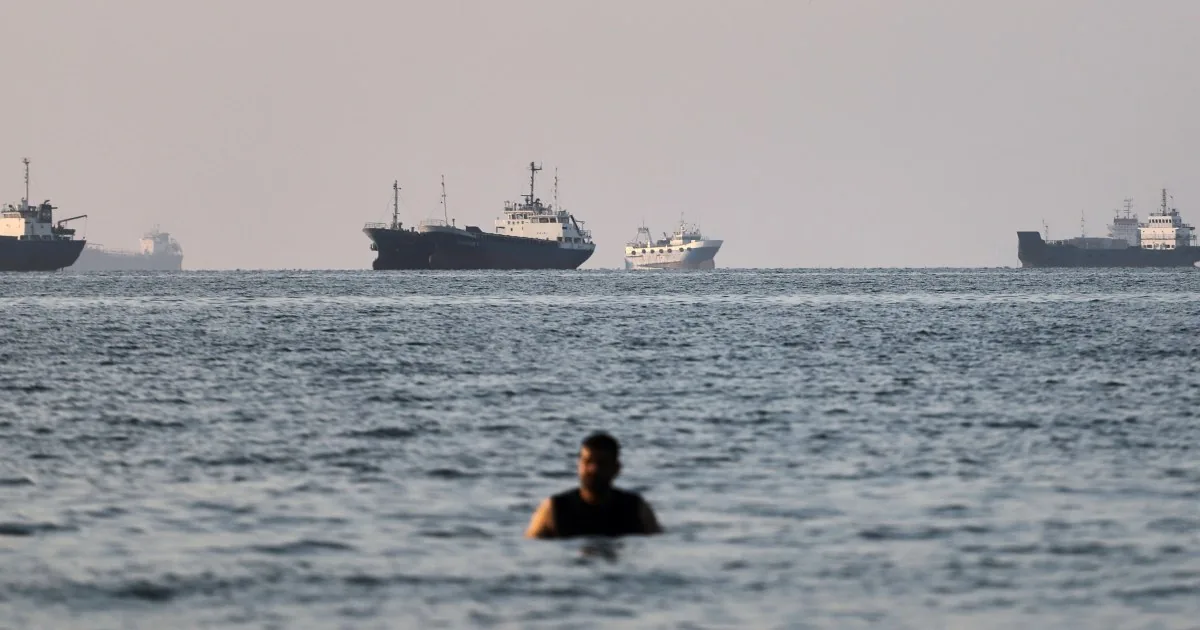
U.S. President Donald Trump, Iranian officials and Pakistan’s prime minister said a memorandum of understanding to reopen the Strait of Hormuz could be signed within days.
Iranian Foreign Minister Abbas Araghchi said Friday that the memorandum "could happen within the next 1 or 2 days, or within the next few days," in an interview with Iranian state media that he posted on X, and Trump reposted Araghchi’s post on Truth Social and told a news outlet he believed a deal could be signed over the weekend or Monday while condemning what he said was fake information put out by Tehran.
Pakistani Prime Minister Shehbaz Sharif said early Saturday that a peace deal was closer "than ever before," with finalization "likely expected in the next 24 hours," and that "Pakistan is preparing for the electronic signing of the peace deal immediately after, followed by technical level talks next week," he posted on X.
The memorandum would reopen the Strait of Hormuz immediately without tolls and restore prewar shipping within approximately 30 days, as well as lift the U.S. blockade of Iran’s ports, according to a regional source, a source familiar with the agreement and a diplomat with knowledge of the text.
The agreement would include a 60-day extension of the current ceasefire and would include an end to fighting in Lebanon, where Israel has continued a deadly offensive against Hezbollah despite existing ceasefire agreements.
Speaking on Iranian state television, Araghchi said Iran intends to charge a service fee for ships passing through the strait, adding that while "it is not possible to levy a toll on passage through the Strait of Hormuz," it would maintain control over the waterway and charge a fee for "services provided," and he said Iran’s "sword will remain poised over the Strait of Hormuz indefinitely."
Araghchi said details regarding two key issues — Iran’s nuclear program and the lifting of sanctions — will be finalized in the next stage of negotiations.
Trump officials have said destroying Iran’s nuclear program was the key objective of the conflict, and Republican Sen. Lindsey Graham warned that the terms described by Iranian media would be "awful" and said Trump’s "red line" on nuclear enrichment must hold, welcoming reassurances from Trump.
Treasury Secretary Scott Bessent said the deal would bring economic relief and lower energy prices, saying, "We believe that he had to take this opportunity to keep Iran from having a nuclear weapon," and "I am very confident that the challenging time with gasoline will pass by."
Major Gen. Mohsen Rezaie said that Trump has agreed to release $24 billion of Iran’s frozen assets, and Trump told a news outlet he had demanded clarification for reports that claimed the country would receive billions in frozen assets, saying officials privately "apologized for putting out false information." U.S. Central Command said Iran launched several drones at commercial ships on Friday and that U.S. forces "have downed all of them in recent hours as traffic flow through the strait continues unimpeded."