
The Labor Department reported Wednesday that consumer prices rose 4.2% in May from a year earlier, the biggest annual increase since April 2023, as the war with Iran pushed energy costs higher.
Economists had expected a 4.2% reading, and the report showed prices rose 0.5% between April and May, with energy costs accounting for more than 60% of that monthly increase.
Core inflation, which excludes food and energy, was 2.9% for the 12 months ending in May, up slightly from April, and airline tickets cost about 27% more than a year earlier.
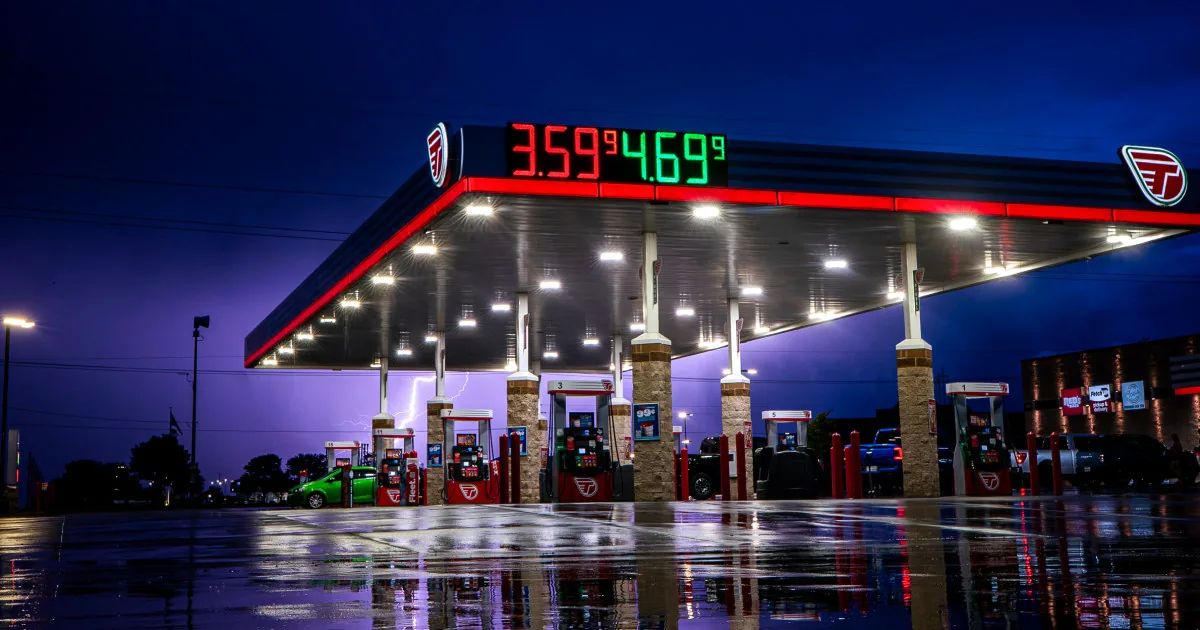
A broad energy index surged, rising 23% from a year earlier, and gasoline prices jumped roughly 40% year over year; the national average for a gallon of gas stood at $4.15, about $1.17 higher than before the war began on Feb. 28.
Grocery prices showed little change month to month, rising 0.1%, but food at home was up 2.7% from a year earlier and several items posted large gains, including tomatoes up 32%, lettuce up almost 25% and coffee up 17.5%; beef rose nearly 13% and seafood rose 6% year over year.
Average wages have risen about 3.4% over the last year, leaving real purchasing power down as employers added 172,000 jobs in May.
The Middle East conflict has disrupted shipping through the Strait of Hormuz and triggered a major oil shock; energy shortages and rising diesel costs are also putting upward pressure on grocery prices, and Exxon Mobil executive Neil Chapman warned that energy stockpiles could reach critically low levels by the end of June and that prices will "shoot up."
The surge in inflation has upended expectations for the Federal Reserve's path: futures markets show a high probability the central bank will hold rates at its policy meeting set for June 17, but some analysts say the next move could be a hike rather than the cuts once widely anticipated; traders earlier had said a rate increase by December was increasingly likely and saw a 60% chance one could happen by October.
Analysts have noted that, beyond higher airfares, there is limited evidence so far that energy-driven inflation is spilling into the broader economy; Lloyd's Bank economists said high energy prices will again provide upward pressure, and Bank of America analysts warned that numerous indicators suggest pass-through to core inflation could occur soon, raising concerns inflation may repeat patterns seen in 2022. The existing debate over tariffs also remains a potential source of price pressure, with JPMorgan chief U.S. economist Michael Feroli noting that proposed tariffs of at least 10% on products from dozens of countries could affect some consumer goods.