
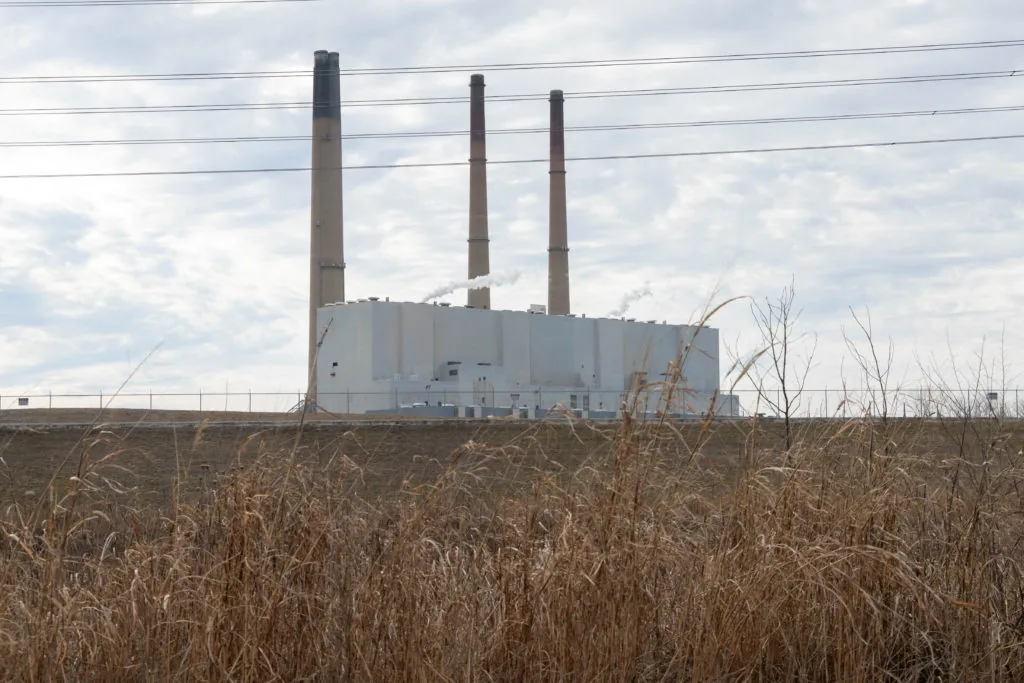
President Donald Trump is expected Thursday to announce plans to spend nearly $700 million to support coal-fired power plants and coal exports at a White House event scheduled for 3 p.m. EDT.
A White House official said the administration will use authority under a Cold War-era national defense law to support 13 coal plants across the country, help build coal plants in Alaska and West Virginia, restart a coal-fired power plant in Maryland and support construction of a long-delayed coal export terminal in Oakland, California, representing the first new U.S. coal plants since 2013; the official spoke on condition of anonymity because they were not authorized to discuss the details ahead of the expected announcement.
Trump is expected to be joined Thursday by Interior Secretary Doug Burgum, Energy Secretary Chris Wright and Environmental Protection Agency Administrator Lee Zeldin.
The White House official said the announcements will support or create more than 14,000 jobs in coal, construction, rail and maritime industries.
The administration said last fall it will open 13 million acres of federal lands for coal mining and provide $625 million to recommission or modernize coal-fired power plants, and Trump issued executive orders soon after retaking office to try to revive coal.
Environmental groups denounced the latest effort to boost coal; Kit Kennedy, managing director for power at the Natural Resources Defense Council, said, "Propping up coal billionaires with taxpayer money is one more way for the Trump administration to put polluters first and put the rest of us at risk." "What's next, a taxpayer bailout to build new phone booths?" "The best thing for the air, the climate and our utility bills is to let these plants retire peacefully."
Energy Secretary Chris Wright has said the administration's use of emergency orders to keep aging coal-fired plants operating helped prevent major blackouts during brutally frigid weather that gripped most of the country in late January and early February.
Trump is expected to invoke the Defense Production Act, a 1950 law that grants presidents wide authority over national security-related industries.
Coal once provided more than half of U.S. electricity production, but its share dropped to about 15% in 2024, down from about 45% as recently as 2010; natural gas provides about 43% of U.S. electricity, with the remainder from nuclear energy and renewables such as wind, solar and hydropower. The Energy Information Administration said U.S. coal exports dropped during the first year of Trump's second term largely because less coal was shipped to China after reciprocal tariffs, and the International Energy Agency said global coal demand rose to record levels in recent years but is expected to flatten or decline in coming years.