
The U.S. Department of Agriculture said New World screwworm has been detected in a calf in La Pryor, Texas, the first U.S. case since 1966.
The case was found in a 3-week-old calf with larvae in its umbilical area in La Pryor, about 30 miles (48km) from the southern U.S.-Mexico border, and the USDA and Texas authorities are establishing a 20km (12.4 miles) detection and quarantine zone.
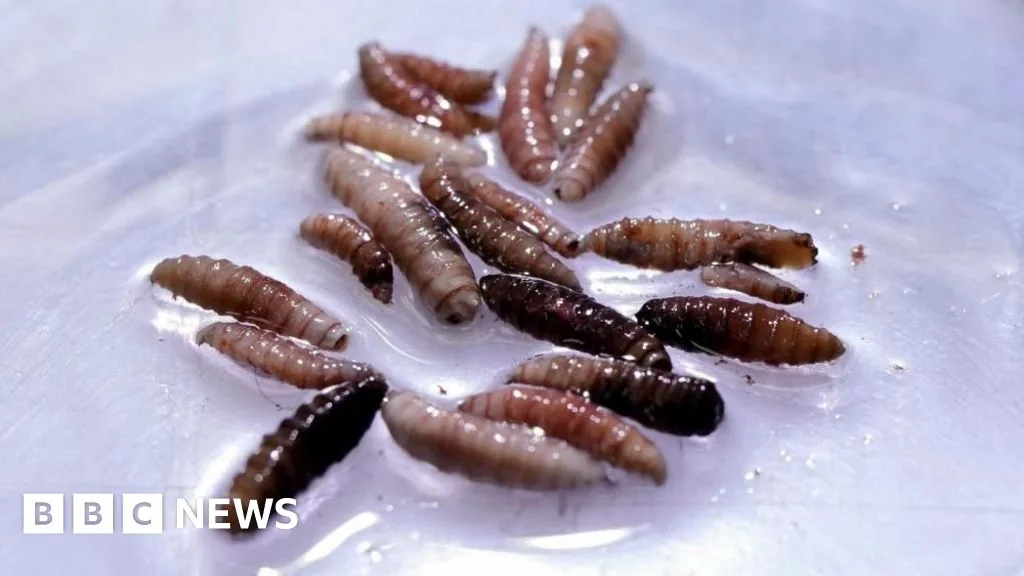
Screwworms are parasitic flies whose females lay eggs in open wounds and mucous membranes; when the eggs hatch, hundreds of larvae burrow through living flesh and can kill their host if left untreated, and the USDA said the flies can infest people and pets but the risk to humans is low and they pose no food safety issues.
Plans include releasing millions of sterile screwworm flies because females only mate once and eggs from sterile females will not hatch, and Agriculture Secretary Brooke Rollins assured ranchers that USDA personnel have already arrived in South Texas to support operations and called on livestock producers to be vigilant; the agency said it had been preparing for a possible outbreak and that efforts delayed the parasite's arrival by a year.
Texas Agriculture Commissioner Sid Miller criticized the federal response, saying, "Instead of using every available tool, USDA moved too slowly and relied solely on a partial solution that takes years to fully implement." He was referring to the release of sterile flies, and cattle ranchers fear an outbreak could shrink herds, reduce beef production and drive prices higher for consumers.