
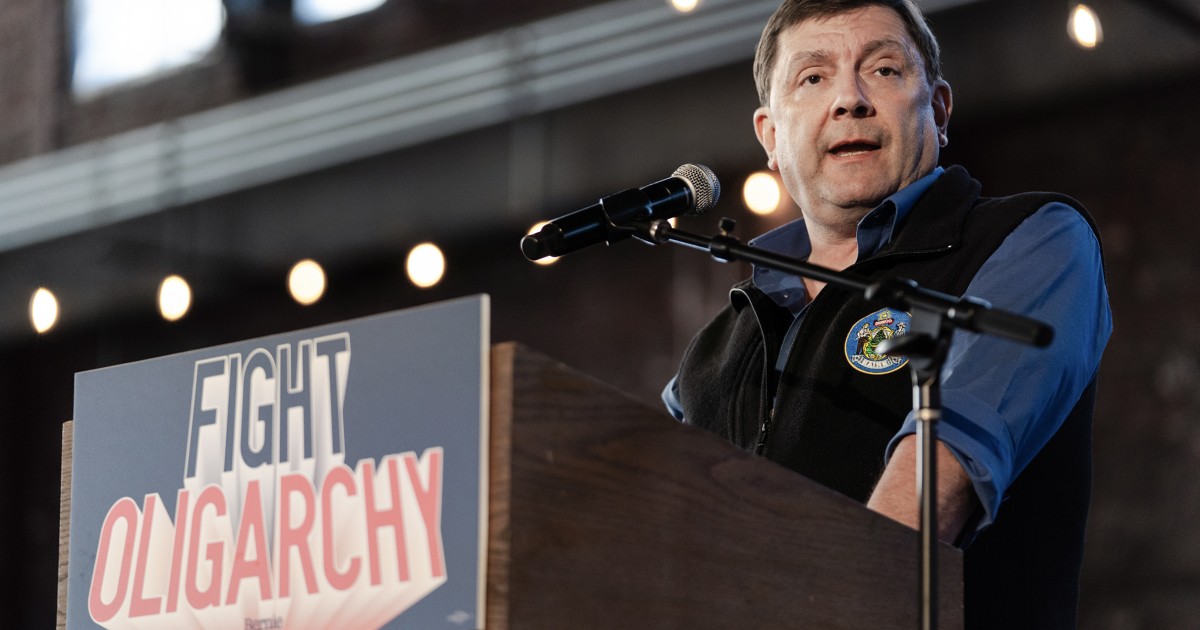
Troy Jackson formally clinched the Democratic nomination Saturday in Bangor, winning 566 votes at the party’s state convention to become the nominee to challenge Sen. Susan Collins in November.
The convention met at the Cross Insurance Center and cast 571 ballots, with Jackson capturing all but five, after county meetings last weekend produced delegate slates heavily favorable to him, Maine Democratic Party Chair Charlie Dingman said as he opened the gathering.
Jackson’s only challenger on the convention floor was biopharmaceutical executive Saundra Pelletier, after a string of higher-profile potential candidates bowed out of the hastily arranged contest, including former Maine CDC director Nirav Shah, Secretary of State Shenna Bellows and Jordan Wood.
The nomination followed the withdrawal of primary winner Graham Platner earlier this month after an allegation of sexual assault by a woman he previously dated; Jackson called on Platner to step aside and later said Platner had lied to him after the former candidate posted a video announcing his exit.
Jackson, 58, is a fifth-generation logger and former state Senate president who lives in Allagash and has served in the Legislature for years; he also finished third in the ranked-choice Democratic primary for governor earlier this year.
Taking the stage to a standing ovation, Jackson said, "This is the absolute honor of my life," and reiterated his message criticizing Collins’ record on health care, taxes and immigration as he pivots to the general election.
Jackson’s campaign announced earlier fundraising gains but must quickly raise far more to compete statewide, and Republican groups are already mobilizing; the Senate Leadership Fund launched a six-figure ad on Saturday and plans to spend more than $42 million on the race, attacking Jackson’s temperament and legislative record.
Some Democrats complained that the convention process did not reflect the preferences of the more than 200,000 voters who participated in the June primary, even as party leaders and national Democratic groups signaled they would unite behind the nominee for the November contest.