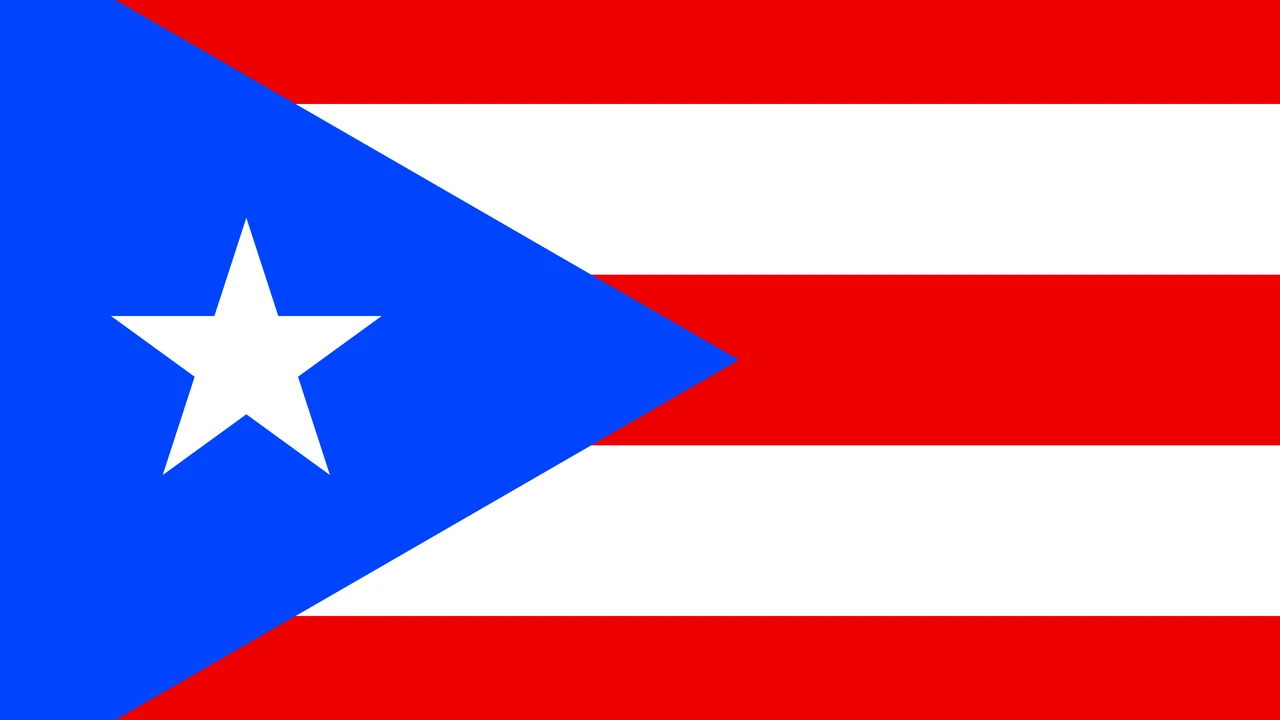
Puerto Rico Senate
Source: senado.pr.gov
Government Structure
The government of Puerto Rico operates under a republican system of governance, which is characteristic of a democratic society. The system is divided into three distinct branches: the executive, the legislative, and the judicial. This structure ensures a balance of power, with each branch operating independently yet interdependently.
State Legislature Overview
The legislative branch of Puerto Rico, known as the Legislative Assembly, is bicameral. It consists of two houses: the Senate and the House of Representatives. The Legislative Assembly is primarily responsible for drafting, debating, and passing laws that govern the people and institutions of Puerto Rico.
State Senate
The State Senate is one half of the Legislative Assembly. Senators are elected by the citizens of Puerto Rico to represent them and their interests. The Senate is responsible for drafting bills, reviewing proposals, and voting on legislation. The Senate also has the authority to confirm appointments made by the Governor.
State House of Representatives
The State House of Representatives is the other half of the Legislative Assembly. Similar to the Senate, members of the House are elected by the people of Puerto Rico. The House also has a role in drafting bills, and it is within this chamber that most legislation is initially introduced. Following the introduction, bills are debated and, if approved, are sent to the Senate for further review.
Civic Engagement
Civic engagement is a key element in the functioning of Puerto Rico’s democracy. Citizens are encouraged to actively participate in the legislative process by voting in elections, attending legislative sessions, and voicing their opinions on proposed laws. Public participation ensures that the legislative process is transparent and that the laws passed reflect the will of the people.
Importance of Legislative Sessions
Legislative sessions are crucial to the running of the government. It is during these sessions that bills are introduced, debated, and voted upon. The decisions made during these sessions directly impact the laws and regulations that govern Puerto Rico. Attendance and participation in these sessions are thus integral to the democratic process.
Accessing Legislative Sessions
Both the Senate and House of Representatives sessions are open to the public, and citizens are encouraged to attend. Additionally, sessions are broadcasted live, and transcripts of proceedings are made publicly available. This commitment to transparency allows citizens to stay informed about the workings of their government.
How to Participate
Participation in the legislative process can take many forms. Citizens can vote in elections, attend legislative sessions, or contact their elected representatives to voice their opinions on proposed legislation. Public hearings and committee meetings also provide opportunities for citizens to directly engage with their representatives and contribute to the policy-making process.
Statewide Impact
The decisions made by the Legislative Assembly have a profound impact on the lives of the citizens of Puerto Rico. The laws and regulations passed by the Senate and House of Representatives shape various aspects of society, including education, healthcare, and economic development. As such, the work of the Legislative Assembly plays a significant role in determining the quality of life in Puerto Rico.
Key Policy Areas
The Legislative Assembly focuses on a range of policy areas. These include, but are not limited to, education reform, healthcare accessibility, economic development, environmental protection, and social justice issues. Each of these policy areas impacts the daily lives of Puerto Rico’s citizens and play a crucial role in shaping the future of the territory.
Conclusion
In conclusion, the Legislative Assembly of Puerto Rico is a dynamic and integral part of the government. It serves as the voice of the people, reflecting their will and aspirations. Through active civic engagement and transparent legislative sessions, the Assembly is able to effectively govern and shape the future of Puerto Rico. The work done in this legislature has a profound impact on all aspects of Puerto Rican life and is crucial to the overall development of the territory.