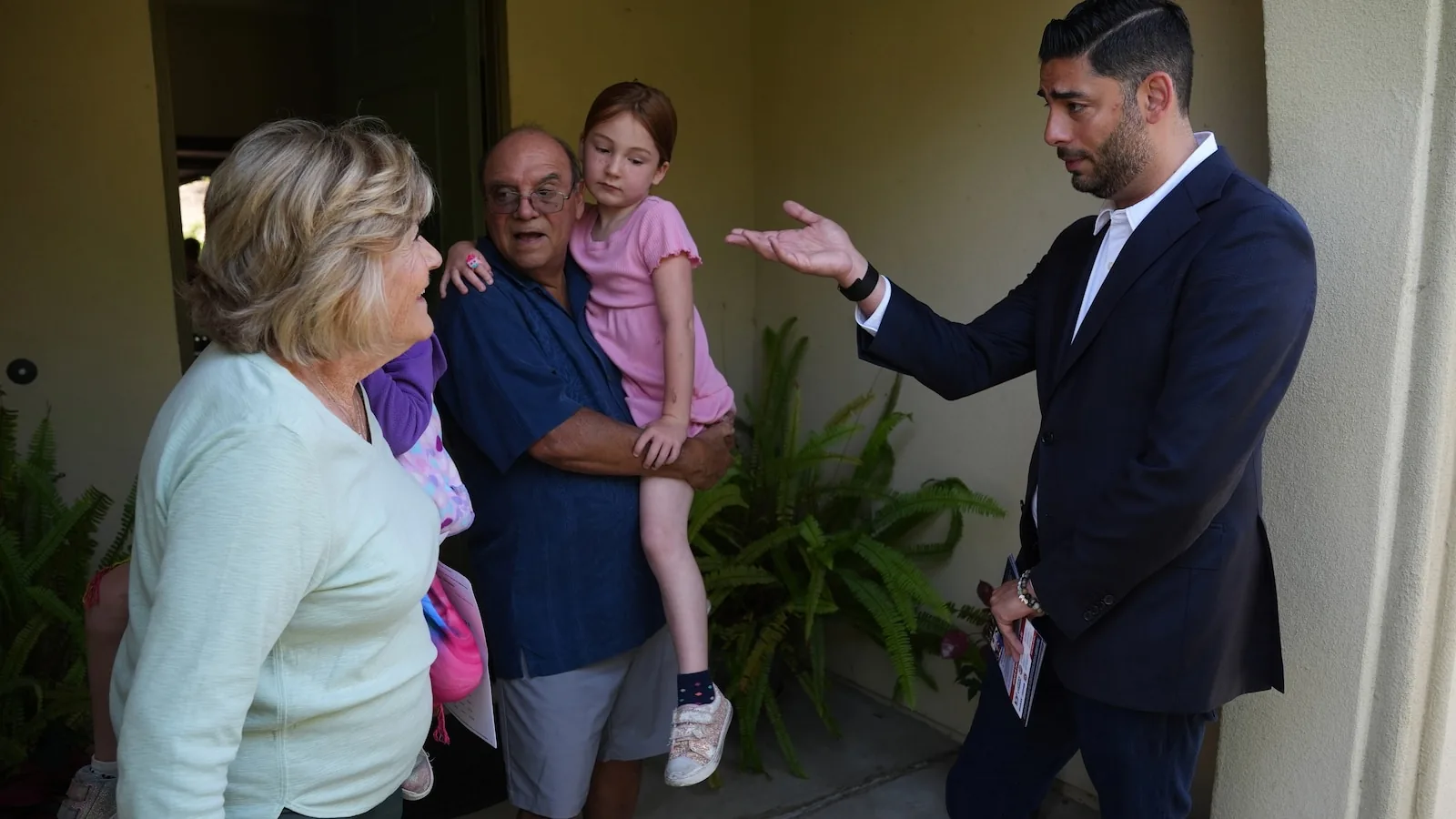
Wisconsin State Assembly
Source: docs.legis.wisconsin.gov
Government Structure
The Wisconsin House of Representatives is a part of the broader state government, which is based on a typical bicameral legislature model. This structure consists of two chambers, namely the State Senate and the State House of Representatives. Together, these two chambers form the legislative arm of the state government, playing a crucial role in policy-making, law enforcement, and civic engagement.
State Legislature Overview
The Wisconsin State Legislature is a vibrant, dynamic body that plays a key role in shaping the future of the state. It is responsible for drafting and passing laws that govern various aspects of life in Wisconsin. The legislature also controls the state’s budget, providing the necessary financial support for various public services and initiatives.
State Senate
The State Senate is one of the two chambers of the Wisconsin State Legislature. It consists of 33 members who are elected to serve four-year terms. Senators are responsible for proposing, debating, and voting on legislation. They also provide oversight of the executive branch, ensuring that laws are correctly implemented and public funds are appropriately spent.
State House of Representatives
The Wisconsin House of Representatives, also known as the State Assembly, is the other chamber of the State Legislature. It is larger than the State Senate, with 99 members serving two-year terms. The House of Representatives shares legislative responsibilities with the Senate, but it also has unique roles, such as initiating tax legislation and impeachment proceedings.
Civic Engagement
Civic engagement is a cornerstone of democracy in Wisconsin. Citizens are encouraged to participate in the political process, whether by voting in elections, contacting their representatives, attending public meetings, or getting involved in advocacy and activism. This engagement helps ensure that the state government represents the interests and needs of all Wisconsinites.
Importance of Legislative Sessions
Legislative sessions are when the State Legislature convenes to conduct its business. During these sessions, legislators propose and debate bills, vote on legislation, and conduct other official business. These sessions are critical to the functioning of the state government, as they are when most legislative work is done.
Accessing Legislative Sessions
Wisconsin’s legislative sessions are open to the public, and citizens are encouraged to attend. Most sessions are also broadcast online, making it easy for those who cannot attend in person to stay informed. Additionally, the State Legislature’s website provides detailed information about the legislative calendar, upcoming committee meetings, and how to contact representatives.
How to Participate
Citizens can participate in the legislative process in several ways. They can attend public hearings, where they can voice their opinions on proposed legislation. They can also contact their representatives directly, either by phone, email, or in person. Additionally, many advocacy groups provide resources and support for citizens who want to get involved.
Statewide Impact
The decisions made by the Wisconsin State Legislature have a profound impact on the entire state. Legislation passed by the legislature can affect everything from education and healthcare to transportation and the environment. Therefore, the work of the legislature has implications for every Wisconsinite’s daily life.
Key Policy Areas
The Wisconsin State Legislature focuses on many policy areas, including education, healthcare, economic development, environmental protection, and public safety. By addressing these and other issues, the legislature works to improve the quality of life for all Wisconsinites and to ensure that the state remains a great place to live, work, and raise a family.
Conclusion
The Wisconsin House of Representatives, along with the State Senate, forms the backbone of the state’s legislative process. By participating in this process, citizens can help shape the policies and laws that govern their lives. Whether through voting, attending sessions, or contacting representatives, every Wisconsinite has a role to play in the functioning of their state government.
Wisconsin State House
View All →





























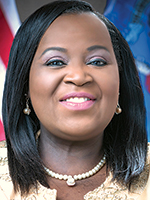
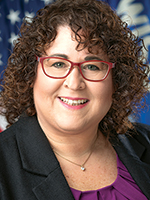




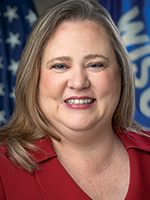




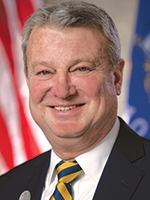


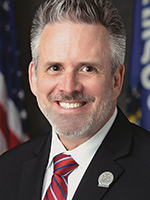




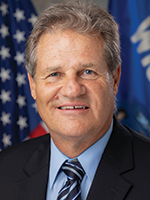



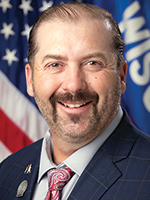


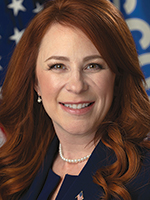

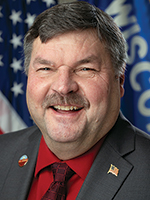

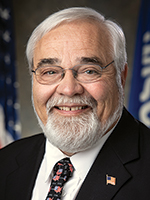


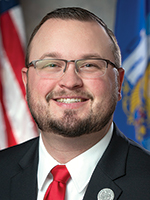
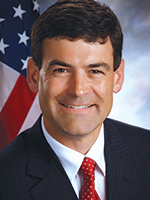





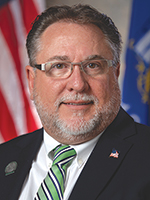
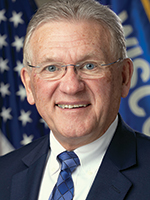



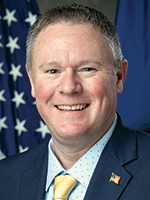









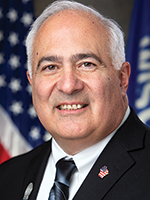


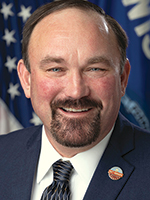
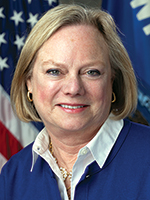


Upcoming Wisconsin State House Races
View All →General election
- Democrat Nominee TBD
- Republican Nominee TBD

No races match those filters.
View MoreHouse Bills
View All →- AB 1May 27, 2026Relating to: an income tax subtraction for qualified tips and for qualified overtime compensation; state aid for school districts; surplus refund payments; increasing funding for special education and school age parents programs; state aid to technical colleges and the technical college district revenue limit; and making an appropriation. (FE)Fiscal estimate received
- AJR 10May 26, 2026Relating to: the freedom to gather in places of worship during a state of emergency (second consideration).Published 5-26-2026. Enrolled Joint Resolution 10
- AJR 11May 26, 2026Relating to: honoring the life and public service of Representative Jim Soletski.Not published. Enrolled Joint Resolution 7
- AJR 126May 26, 2026Relating to: honoring the life and public service of Representative Rudolph L. “Rudy” Silbaugh.Not published. Enrolled Joint Resolution 12
- AJR 102May 26, 2026Relating to: prohibiting governmental entity discrimination (second consideration).Published 5-26-2026. Enrolled Joint Resolution 11
- AJR 133May 26, 2026Relating to: legislative suspension of rules promulgated by state agencies (first consideration).Published 5-26-2026. Enrolled Joint Resolution 13
- AB 80May 21, 2026Relating to: ratification of the Social Work Licensure Compact. (FE)Representative Palmeri added as a coauthor
- AB 793May 13, 2026Relating to: creating an Office of Internal Audit attached to the Department of Employee Trust Funds. (FE)Failed to pass notwithstanding the objections of the Governor pursuant to Joint Rule 82
- AB 308May 13, 2026Relating to: prohibiting funding for health services for unlawfully present individuals. (FE)Failed to pass notwithstanding the objections of the Governor pursuant to Joint Rule 82
- AB 169May 13, 2026Relating to: various changes to the unemployment insurance law. (FE)Failed to pass notwithstanding the objections of the Governor pursuant to Joint Rule 82
- AB 450May 13, 2026Relating to: applicability of the commercial building code to certain buildings. (FE)Failed to pass notwithstanding the objections of the Governor pursuant to Joint Rule 82
- AB 269May 13, 2026Relating to: delivery network couriers and transportation network drivers, Department of Financial Institutions’ approval to offer portable benefit accounts, providing for insurance coverage, modifying administrative rules related to accident and sickness insurance, and granting rule-making authority. (FE)Failed to pass notwithstanding the objections of the Governor pursuant to Joint Rule 82