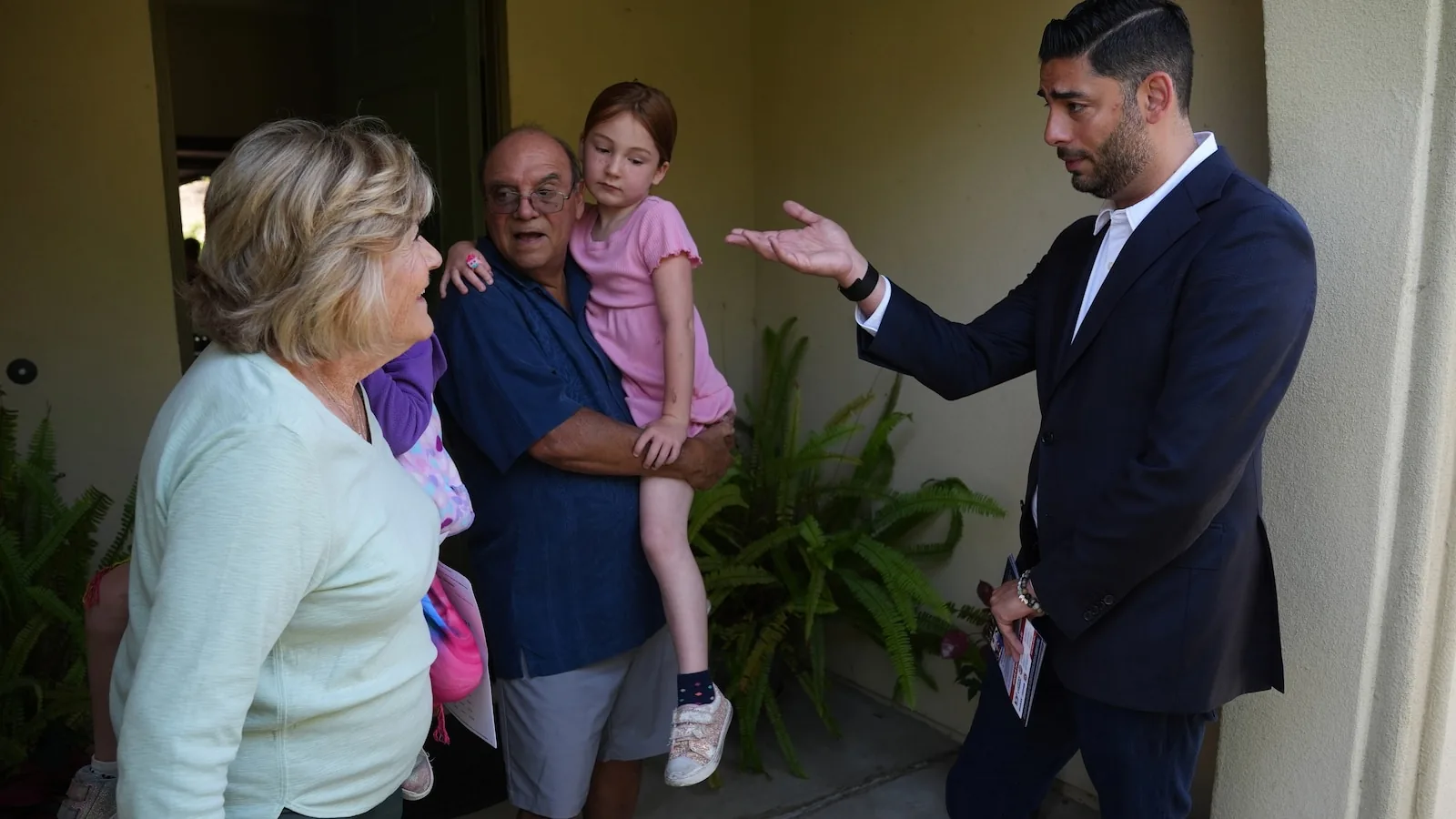
Virginia House of Delegates
Source: virginiageneralassembly.gov
Government Structure
The Commonwealth of Virginia operates under a bicameral system of governance, mirroring the federal structure of the United States. This unique model allows for a distribution of powers and responsibilities, ensuring that no single entity holds overwhelming authority. The Virginia General Assembly, the state’s legislative body, is divided into two chambers: the Senate and the House of Delegates, commonly referred to as the House of Representatives.
State Legislature Overview
The Virginia General Assembly is one of the oldest continuously operating legislatures in the United States. Its mission is to create laws, revise existing legislation, and regulate the state’s budget. It comprises elected officials from across the state, representing the diverse interests and needs of Virginia’s citizens.
State Senate
The Virginia State Senate is the upper chamber of the General Assembly. It comprises 40 senators, each of whom represents a specific geographical district within the state. The Senate’s responsibilities include drafting and passing legislation, approving state budgets, and providing oversight to the executive and judicial branches of state government.
State House of Representatives
The Virginia House of Representatives, officially known as the House of Delegates, is the lower chamber of the General Assembly. It is composed of 100 delegates who represent individual districts across the state. The house plays a critical role in introducing and reviewing legislation, overseeing the state’s budget, and providing a forum for robust debate on policy issues.
Civic Engagement
Active participation in the legislative process is a cornerstone of democratic governance. Virginia citizens are encouraged to engage with their elected representatives, attend legislative sessions, and voice their opinions on proposed legislation. This engagement fosters transparency, accountability, and ensures that the needs and concerns of the public are adequately represented.
Importance of Legislative Sessions
Legislative sessions are pivotal in shaping the state’s policy landscape. During these sessions, representatives introduce new bills, amend existing laws, and deliberate on critical issues affecting the state. These sessions provide an opportunity for citizens to witness the decision-making process firsthand, enhancing their understanding of the complex dynamics of governance.
Accessing Legislative Sessions
The Commonwealth of Virginia is committed to transparency in governance. As such, legislative sessions are open to the public and can also be accessed remotely via live streams. This accessibility ensures that citizens can keep track of the legislative process and stay informed about decisions that could affect their lives.
How to Participate
Participation in the legislative process is not limited to voting in elections. Citizens can contact their representatives to express their views, attend public hearings, submit public comments on proposed legislation, and even testify before legislative committees. This active engagement allows citizens to influence the course of policy-making directly.
Statewide Impact
The decisions made by the Virginia General Assembly have a wide-reaching impact across the state. From education and healthcare to transportation and environmental policy, the legislation passed by this body shapes the quality of life for all Virginians. By participating in the legislative process, citizens can have a direct influence on these important issues.
Key Policy Areas
The Virginia General Assembly considers a broad range of policy areas. Key areas of focus include education, healthcare, environmental stewardship, economic development, and social services. The Assembly’s actions in these areas have the potential to significantly impact the lives of Virginia’s citizens and the future of the Commonwealth.
Conclusion
In a healthy democracy, an informed and engaged citizenry is crucial. By understanding the structure and operations of the Virginia House of Representatives and the State Senate, citizens can actively participate in the legislative process and help shape the policies that govern their communities. The legislative process is not just a function of governance but a shared responsibility for all Virginians.
Virginia State House
View All →

















































House Bills
View All →- HR 2007Apr 30, 2026Commending the Petersburg High School boys' basketball team.Bill text as passed House (HR2007ER)
- HR 2039Apr 30, 2026Commending the Lebanon High School speech team.Bill text as passed House (HR2039ER)
- HR 2009Apr 30, 2026Commending Land of Promise Church.Bill text as passed House (HR2009ER)
- HR 2003Apr 30, 2026Celebrating the life of Chief Master Sergeant John Patrick Armstrong, USAF, Ret.Bill text as passed House (HR2003ER)
- HR 2002Apr 30, 2026Commending the University of Mary Washington men's basketball team.Bill text as passed House (HR2002ER)
- HR 2016Apr 30, 2026Commending Meghan Pankau.Bill text as passed House (HR2016ER)
- HR 2045Apr 30, 2026Celebrating the life of Madison Warner.Bill text as passed House (HR2045ER)
- HR 2019Apr 30, 2026Commending Erin DuBose.Bill text as passed House (HR2019ER)
- HR 2028Apr 30, 2026Celebrating the life of James Ransom Jackson, Jr.Bill text as passed House (HR2028ER)
- HR 2015Apr 30, 2026Commending Mary Froelich.Bill text as passed House (HR2015ER)
- HR 2029Apr 30, 2026Commending Thomas Louis Jones III.Bill text as passed House (HR2029ER)
- HR 2004Apr 30, 2026Commending St. John Baptist Church of Woodford.Bill text as passed House (HR2004ER)