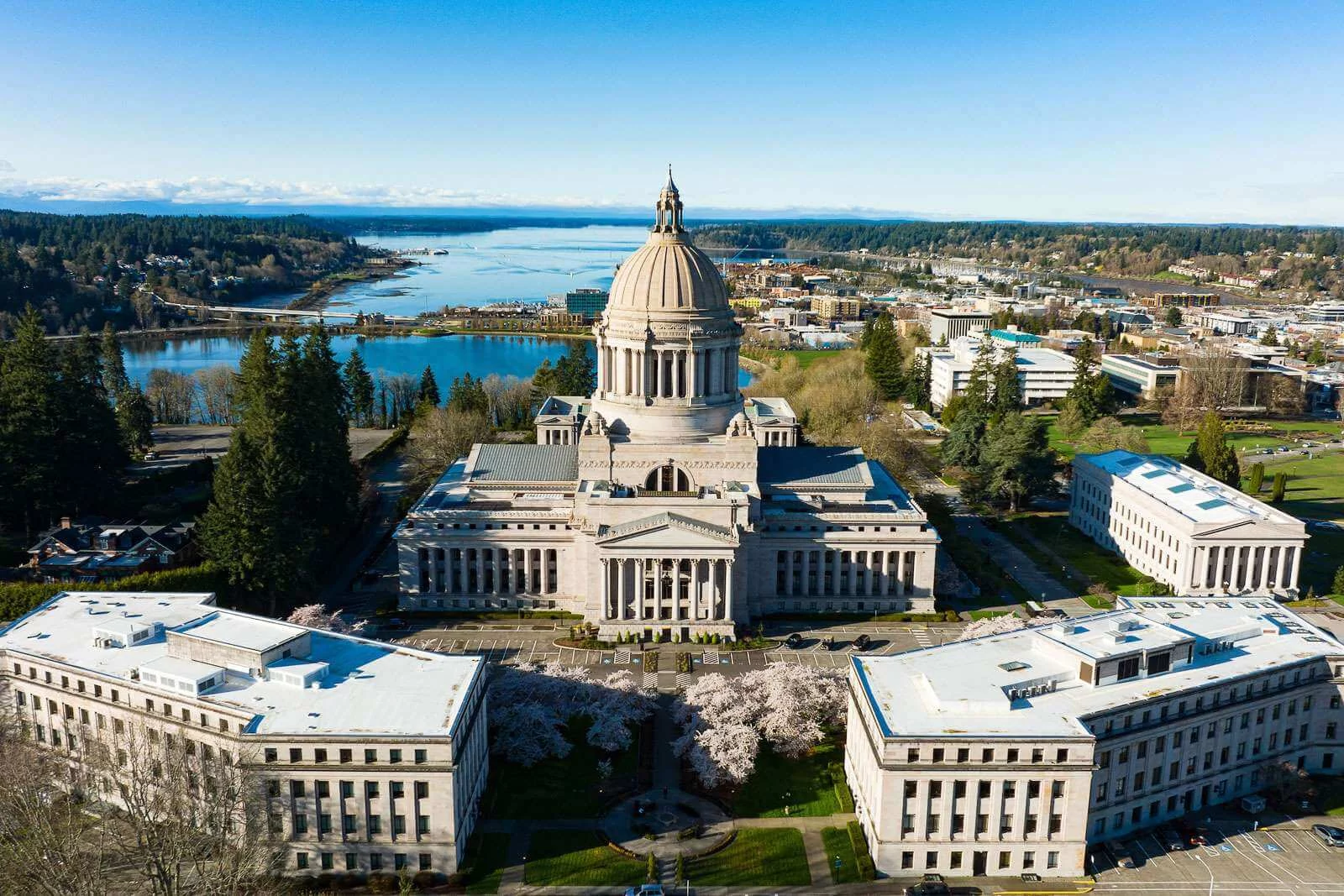
Guam Senate
Source: guamlegislature.com
Government Structure
The government of Guam is a unique blend of American federalism and traditional Chamorro governance. It is a territorial government that operates under the authority of the US Constitution and federal law, with a Governor as the executive head, as well as a bicameral Legislature, and a Judiciary.
State Legislature Overview
The Legislature of Guam, the island’s law-making body, is unicameral, unlike most U.S. states that have a bicameral structure. Comprising 15 senators who are elected at large by the public every two years, the legislature is responsible for enacting laws, confirming executive appointments, and making budgets for public expenditures.
State Senate
The Guam Senate serves as the primary legislative body, and it is vested with significant powers. The Senate is responsible for crafting and passing laws that affect all areas of life in Guam. Senators also have the power to ratify treaties, approve executive appointments, and oversee the implementation of government policies. They serve for a term of two years, without any term limit.
State House of Representatives
Unlike many U.S. states, Guam does not have a separate House of Representatives. Its unicameral structure means that the Senate fulfills the duties typically performed by both a Senate and a House of Representatives in other jurisdictions. This streamlined structure allows for a more efficient legislative process, as bills only need to pass through one chamber before reaching the Governor’s desk for approval.
Civic Engagement
Civic engagement in Guam is a cornerstone of the democratic process. Citizens are encouraged to participate in the legislative process by attending public hearings, voicing their opinions on proposed legislation, and communicating directly with their senators. Public participation helps ensure that the needs and concerns of all residents are considered in the decision-making process.
Importance of Legislative Sessions
Legislative sessions are where the work of the Guam Legislature takes place. During these sessions, senators debate and vote on proposed legislation, hear testimony from the public, and work to develop and implement policies that will benefit the island and its people. The decisions made during these sessions can have far-reaching effects, shaping the future of Guam in profound ways.
Accessing Legislative Sessions
Accessing legislative sessions is made easy through various platforms. Sessions are open to the public, and residents are encouraged to attend. For those who cannot be physically present, sessions are also broadcast live online, allowing everyone to stay informed about the proceedings and decisions being made. Transcripts of the sessions are also accessible online, further promoting transparency and public participation.
How to Participate
Participation in legislative sessions is not limited to senators. Residents can submit written or oral testimonies on proposed bills, engage in public hearings, and reach out to their senators directly. By actively participating, residents can have a direct impact on the legislative process and the development of policies that affect their lives.
Statewide Impact
The work of the Guam Legislature has a widespread impact, shaping policies and laws that touch every aspect of life on the island. From infrastructure and education to healthcare and environmental conservation, the decisions made by the Senate affect all residents and help determine the future direction of Guam.
Key Policy Areas
Key policy areas addressed by the Guam Legislature include public safety, health, education, economic development, and environmental sustainability. Through legislation, the Senate works to protect the rights and welfare of residents, promote economic growth and prosperity, and safeguard Guam’s natural and cultural resources for future generations.
Conclusion
In conclusion, the Guam Legislature plays a critical role in shaping the island’s future. Through its legislative sessions, the Senate creates and enacts laws that directly impact the lives of all residents. Civic engagement is highly encouraged, as public participation ensures that the voices of all residents are heard in the decision-making process. Understanding the structure and functions of the Guam Legislature is fundamental to understanding the unique political landscape of Guam.