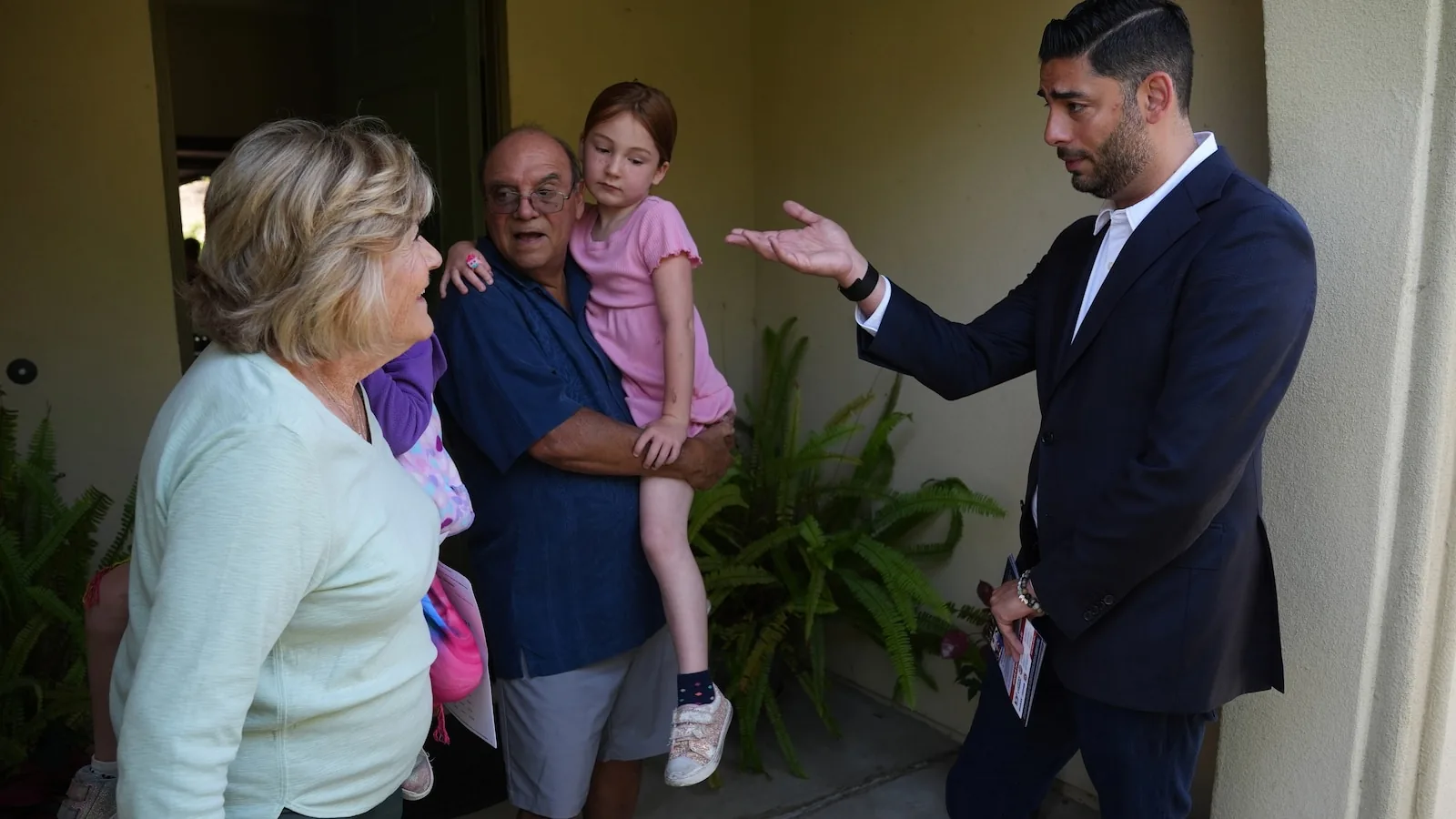
New Mexico Senate
Source: nmlegis.gov
Government Structure
New Mexico operates under a democratic government structure, characterized by the separation of powers among three branches: the Executive, the Judiciary, and the Legislature. Each branch plays a distinct role, with the Legislature being responsible for creating laws and managing state finances.
State Legislature Overview
The New Mexico Legislature is a bicameral body, comprised of two houses: the Senate and the House of Representatives. This form of legislature mirrors the federal government structure and promotes balanced representation. Both houses must agree on a bill for it to pass and be sent to the Governor for approval.
State Senate
The New Mexico State Senate is made up of 42 senators, each elected to a four-year term. Senators represent various districts across the state, ensuring that all citizens have a voice in the legislative process. The Senate has several responsibilities, including reviewing bills, proposing legislation, and approving state appointments.
State House of Representatives
The House of Representatives consists of 70 members serving two-year terms. Just as the senators, representatives are elected from districts across the state. The House shares many responsibilities with the Senate, such as drafting and reviewing legislation. However, it is also the House’s responsibility to commence impeachment proceedings, if necessary.
Civic Engagement
Civic engagement is a cornerstone of the democratic process in New Mexico. Through a variety of mechanisms, including voting, attending town hall meetings, and contacting elected officials, citizens can influence legislation and policy-making. Civic engagement ensures that the government represents the interests of the people and fosters accountability.
Importance of Legislative Sessions
Legislative sessions in New Mexico are vital forums for deliberating on and passing state laws. During these sessions, lawmakers discuss, amend, and vote on a variety of bills that affect every aspect of life in the state, from education and health care to environmental conservation and economic development.
Accessing Legislative Sessions
Transparency is a key aspect of New Mexico’s legislative process. Legislative sessions are open to the public, and citizens can also access these sessions online via live broadcasts. Additionally, the Legislature’s website provides a wealth of information, including bills under consideration, legislative calendars, and contact information for lawmakers.
How to Participate
Public participation is encouraged in the legislative process. Citizens can attend sessions, provide testimony on bills of interest, or even simply observe proceedings to gain a better understanding of how their government functions. Additionally, citizens can contact their elected representatives to voice their opinions on specific issues.
Statewide Impact
The decisions made in the New Mexico Legislature have a significant impact on the entire state. Laws passed during legislative sessions can affect everything from school curriculums to tax rates. Therefore, it is crucial for citizens to stay informed and participate in the legislative process to ensure their interests are represented.
Key Policy Areas
The New Mexico Legislature addresses many critical policy areas. Key areas include education, health and human services, public safety, environmental protection, and economic development. Each legislative session brings new opportunities to make progress in these areas, reflecting the changing needs and priorities of the state’s residents.
Conclusion
The New Mexico Legislature plays a crucial role in shaping the state’s future. Through the combined efforts of the Senate and the House of Representatives, laws and policies are crafted to serve the best interests of all New Mexicans. Civic engagement in this legislative process is not only a right but a responsibility, ensuring a government by the people, for the people.
New Mexico State Senate
View All →






































Senate Bills
View All →- SB 135Mar 24, 2026REVISE LFC MEMBERSHIPaction postponed indefinitely
- SB 139Mar 24, 2026COMMISSION ON STATUS OF WOMEN FUNDINGaction postponed indefinitely
- SB 156Mar 24, 2026SOCIAL SECURITY INCOME TAX CAPaction postponed indefinitely
- SB 70Mar 24, 2026UNIVERSAL BASIC INCOME PILOT PROJECTaction postponed indefinitely
- SB 313Mar 24, 2026CHILD CAR SEAT FASTENING AS NEGLIGENCEaction postponed indefinitely
- SB 201Mar 24, 2026RURAL LIBRARIESaction postponed indefinitely
- SB 289Mar 24, 2026PUBLIC PEACE, HEALTH, SAFETY & WELFAREaction postponed indefinitely
- SB 103Mar 24, 2026UNLAWFUL INTERFERENCE WITH AIRCRAFTaction postponed indefinitely
- SJM 1Mar 24, 2026UNIFORM REDISTRICTING CRITERIAaction postponed indefinitely
- SB 149Mar 24, 2026PROPERTY TAX CODE DEFINITIONSaction postponed indefinitely
- SB 231Mar 24, 2026STUDY COMMUNITY-BASED FOSTER CAREaction postponed indefinitely
- SB 234Mar 24, 2026FOSTER CHILD SCHOOL TRANSPORTATIONaction postponed indefinitely